Drain Plug Spanner
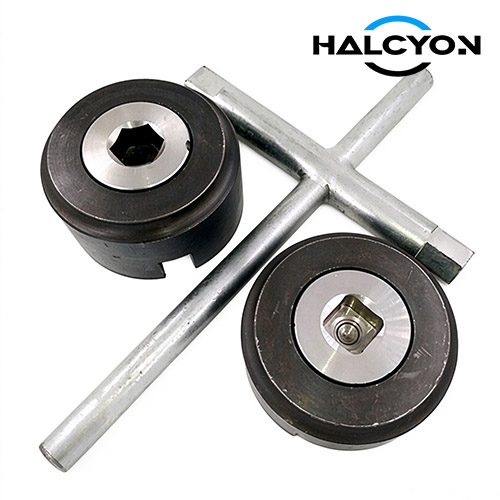
The Drain Plug Spanner is a specialized manual tool designed for operating drain plugs. Drain plugs are typically installed at the lowest points of equipment, piping, or vessels to allow for the periodic draining of accumulated liquids or the evacuation of media during maintenance. Because these locations often feature cramped spaces and plugs with unique head profiles—and because plugs frequently seize due to rust or corrosion after prolonged exposure to media—standard wrenches are often unsuitable; thus, the Drain Plug Spanner has become an essential tool for maintenance operations.
Overview
Structural Description
A typical Drain Plug Spanner consists of the following components:
Working End—A socket or engagement feature that mates with the plug head; common forms include internal square sockets, internal hex sockets, or lug-style (two-ear) fittings. The working end undergoes heat treatment to ensure its hardness exceeds that of the plug head, preventing deformation of the tool itself.
Lever Arm—The transitional section connecting the working end to the handle; it is often angled or bent to allow for the application of force even when obstacles are present in front of the plug.
Handle—Provides the grip and leverage point; its length is designed based on the required tightening torque for the target plug. Some models feature a through-hole at the end of the handle to accommodate a cheater bar (extension handle) for added leverage.
Selection Criteria
When selecting a Drain Plug Spanner, the following four details must be confirmed:
Plug Head Type: Internal square, internal hex, external square, or external hex.
Across-Flats Dimension: Specified in millimeters or inches; must match the actual measured size of the plug head.
Operating Space: Measure the available clearance directly in front of and to the sides of the plug.
Material Compatibility: Choose 316L stainless steel for seawater exposure; hot-dip galvanized carbon steel is suitable for general oils; for chemical media, verify the required corrosion resistance rating.
Usage Precautions
Ensure the socket is fully seated on the plug head before applying force; avoid engaging only the edges or corners.
When removing seized plugs, first clear away surface rust and apply penetrating oil; allow it to sit before attempting removal. Do not apply excessive force, as this may cause the plug head to shear off. When tightening, adhere to the torque specifications required by the equipment; overtightening can cause gasket deformation or make future disassembly difficult.
After use, wipe clean, apply anti-rust oil, and store in a dry place.
Periodically inspect the working end for wear, deformation, or cracks, and discontinue use immediately if any issues are found