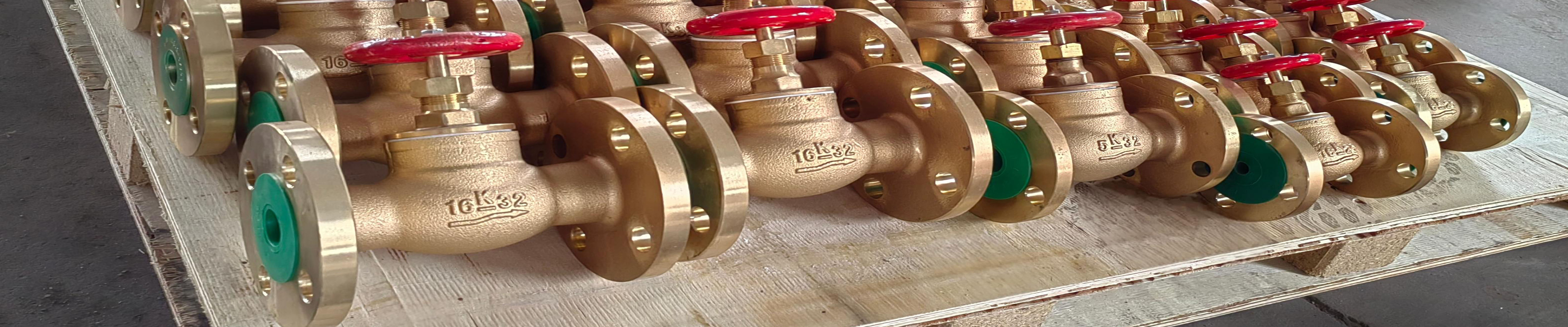
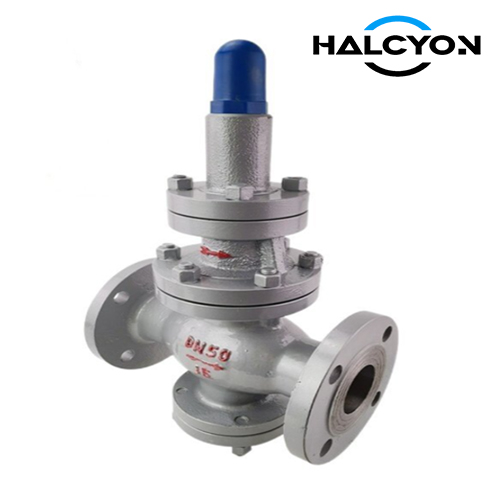
Diaphragm Marine Pressure Reducing Valve
Marine diaphragm pressure-reducing valves are primarily used to automatically reduce high inlet pressures and stabilize them within the desired outlet pressure range.
They combine the sensitivity of a “diaphragm-type” design with the pressure-regulating
Marine diaphragm pressure-reducing valves are widely used in shipboard piping systems for compressed air, fresh water, seawater, fuel oil, and lubricating oil, ensuring that downstream equipment operates at safe and stable pressures.
Overview
Working Principle:
Pressure Sensing: The diaphragm divides the internal space of the valve body into two chambers—an upper and a lower chamber. The outlet pressure acts on one side of the diaphragm through a feedback channel, while the other side is typically subjected to an opposing force provided by a spring or pilot pressure.
Automatic Regulation: When the outlet pressure rises above the set point, the diaphragm arches upward, driving the valve plug toward the closed position, which reduces the flow area and thereby lowers the outlet pressure; Conversely, when the outlet pressure falls below the set point, the spring force pushes the diaphragm downward, increasing the valve plug’s opening and thereby increasing flow to raise the pressure.
Equilibrium State: Through this dynamic equilibrium mechanism, the valve automatically adjusts its opening to maintain a constant outlet pressure, regardless of fluctuations in inlet pressure or changes in downstream flow.
Key Structural Features:
Diaphragm Assembly: The diaphragm, made of rubber, PTFE, or metal composite materials, offers excellent elasticity and corrosion resistance. The diaphragm design eliminates the response lag caused by friction between seals in traditional piston-type pressure-reducing valves, thereby improving response speed and sensitivity.
Valve Body Material: Given the unique nature of the marine environment, valve bodies are typically made of materials resistant to seawater corrosion, such as cast steel, bronze, and stainless steel (e.g., 304, 316L).
Pilot Control: High-precision models are often equipped with a pilot valve mechanism, which uses a small flow rate to control the operation of the main valve, making them suitable for applications involving large diameters and high pressure differentials.