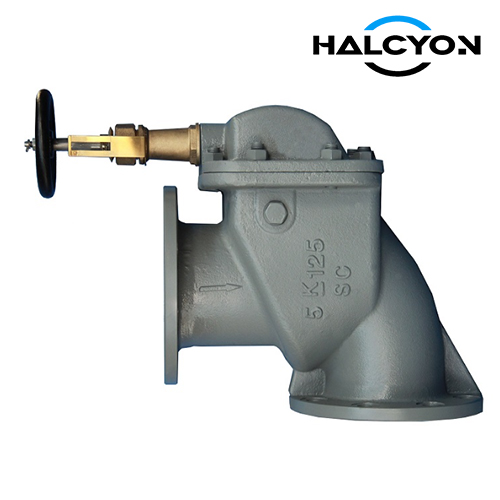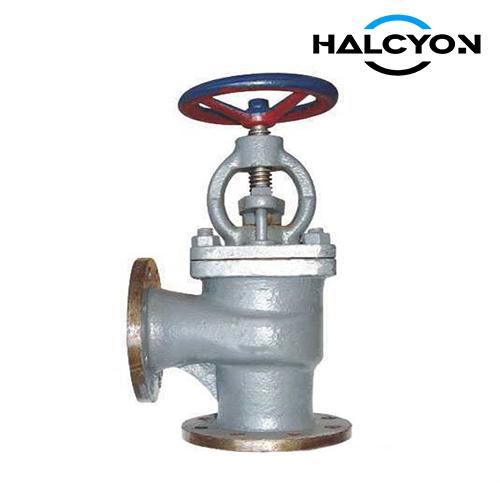
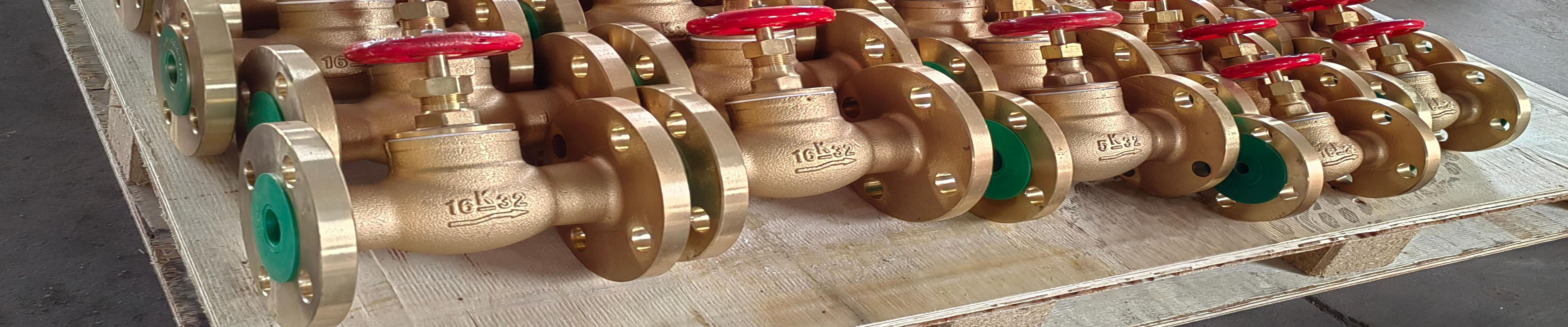
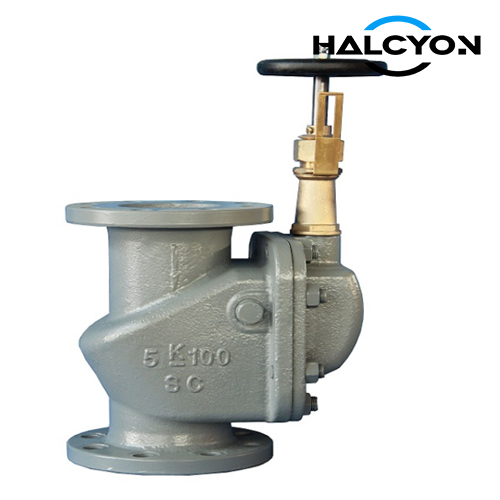
Vertical Marine Storm Valve
Size: DN50–DN200
Pressure: 0.1 MPa–1.6 MPa
Material: Cast steel, bronze
Application: fresh water, sea water, oil
Certificate: CCS, ABS, DNV,LR,BV Certificate
Overview
Typical Applications and Installation Guidelines
Storm valves are widely installed in critical locations such as ship ballast water systems, bilge drain pipes, and fire main lines.
Taking a certain type of bulk carrier as an example, 3–4 DN200 vertical storm valves must be installed at the bottom of the engine room to prevent seawater from flowing back through the drain pipes when the ship rolls. The following points must be observed during installation:
- The direction of the arrow on the valve body must match the direction of the fluid flow;
- The straight pipe section upstream of the valve must be at least 5 times the pipe diameter;
- Maintenance space must be provided to allow for removal of the valve cover.
Maintenance and Troubleshooting
Regular maintenance is key to ensuring the long-term operation of the storm valve. It is recommended to perform the following procedures every 6 months:
1. Manually test the valve disc’s flexibility;
2. Inspect the sealing surfaces for wear (if wear depth exceeds 0.2 mm, grind and repair);
3. Replace aged springs (springs with elasticity loss exceeding 15% are considered unfit for service).
Common malfunctions, such as incomplete closure, are often caused by marine organism fouling or blockages from debris. These can be addressed by flushing with a high-pressure water jet in combination with a specialized descaling agent. For extreme operating conditions not explicitly covered by the standards (such as polar navigation), it is recommended to use reinforced valves and shorten the maintenance cycle.