Stainless Steel Marine Deck Valve
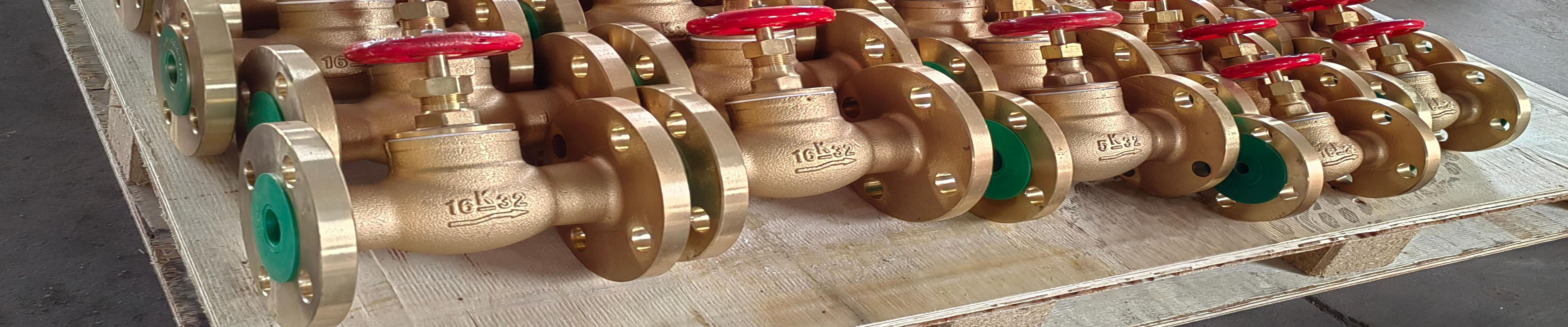
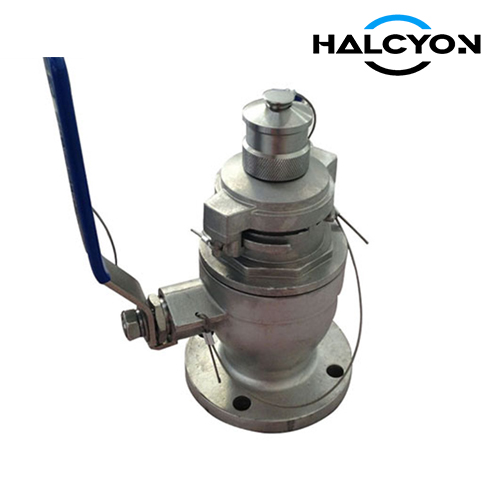
A Stainless Steel Marine Deck Valve is a premium, high‑integrity shutoff valve whose body, bonnet, trim, and external fasteners are manufactured entirely from high‑grade stainless steel — typically AISI 316L or duplex grades. It is designed for direct mounting on a deck penetration, with all operating components positioned above the weather deck. The valve provides above‑deck isolation, flow diversion, or flow control for the most demanding shipboard services: aggressive chemicals, high‑purity products, potable water, seawater, steam, and flammable fuels. The all‑stainless construction eliminates any reliance on protective coatings, delivering lifelong immunity to pitting, crevice corrosion, and chloride stress corrosion cracking. Available as globe, angle globe, gate, ball, or butterfly valves, it features a rising stem (on globe and gate types), a weather‑sealed stuffing box, a heavy‑duty handwheel or actuator, and a watertight deck flange interface. It is the definitive choice for chemical tankers, product carriers, LNG/LPG vessels, naval ships, cruise liners, offshore platforms, and any application where absolute freedom from corrosion, product purity, and zero maintenance are non‑negotiable.
Overview
1. Application
Stainless Steel Marine Deck Valves are installed on all exposed deck piping systems where corrosion failure, product contamination, or coating maintenance cannot be tolerated:
Chemical and Product Tanker Cargo Manifolds: Individual tank drop‑line isolation, cargo crossovers, and tank cleaning return valves, where the valve material must exactly match the stainless steel cargo piping and resist the full range of aggressive cargoes, including acids, alkalis, solvents, and chlorinated products.
LNG and LPG Carrier Deck Piping: Cryogenic‑compatible stainless grades for deck isolation of gas and condensate lines, where material toughness at low temperature and freedom from corrosion are essential.
Potable Water, Demineralized Water, and Fresh Water Systems: Loading, distribution, and tank isolation valves on cruise ships, naval vessels, and offshore platforms, ensuring water purity and zero metal ion leaching.
Fire Main and Foam Systems (on high‑spec vessels): Deck hydrant, monitor, and deluge system isolation valves where absolute reliability, zero rust staining, and freedom from coating failure are required.
Seawater Cooling and Ballast Lines (critical high‑velocity services): Duplex stainless steel valves for high‑pressure ballast water treatment systems and engine room cooling deck connections, resisting erosion‑corrosion far better than coated steel or bronze.
Fuel Oil and Diesel Oil Transfer: Non‑sparking, fire‑safe isolation valves at bunker stations and fuel tank deck penetrations, with all‑stainless construction eliminating any risk of sparking from corroded fasteners or flaking coating.
Naval and Coast Guard Vessels: All exposed deck valves in sensitive or combat‑critical systems, where material integrity under battle damage, fire, and extreme environmental conditions is a requirement.
Offshore Platforms and FPSOs: Process water, firewater, chemical injection, and deck drain valves that must survive decades of salt spray, sour gas exposure, and zero‑maintenance design philosophies.
2. Material Specifications
All materials are selected in strict accordance with applicable international material standards (ASTM, EN, JIS, GB) and are verified by EN 10204 Type 3.1 certification:
Body & Bonnet (Stainless Steel Grades):
AISI 316L (1.4404 / CF8M): The standard stainless steel for marine deck valves. The molybdenum content (2–2.5%) provides outstanding resistance to pitting and crevice corrosion in chloride‑rich seawater and marine atmospheres. Suitable for temperatures from ‑196 °C to +400 °C.
Duplex Stainless Steel (UNS S32205 / 1.4462): Approximately twice the yield strength of 316L, enabling higher pressure ratings or lighter valve weight. Excellent resistance to chloride stress corrosion cracking. Ideal for warm seawater, high‑pressure ballast, and offshore applications.
Super Duplex Stainless Steel (UNS S32750 / 1.4410): For the most aggressive chemical and seawater applications, offering a Pitting Resistance Equivalent Number (PREN) > 40. Used on chemical tankers and FPSOs for maximum service life.
All castings are fully solution‑annealed and pickled/passivated to optimize the natural chromium‑oxide passive layer.
Trim (Disc, Seat Ring, Gate, Ball, Stem):
Seating surfaces are precision‑lapped from stainless steel (AISI 316, 17‑4PH) for metal‑to‑metal shutoff. Stellite hard‑facing is available for high‑temperature steam and erosive services.
Soft‑seat inserts of PTFE, PEEK, or reinforced FKM provide bubble‑tight, zero‑leakage closure (Rate A per EN 12266‑1) for clean gases and liquids.
Stem is stainless steel with a polished external acme thread (rising stem on globe/gate) for clear position indication and smooth operation.
Packing & Weather Sealing:
Deep stuffing box packed with PTFE (standard) or pure graphite (for high‑temperature and fire‑safe services). Live‑loaded packing options ensure maintenance‑free stem sealing over thousands of cycles.
External O‑ring and wiper ring prevent water, salt, and dust ingress into the packing chamber.
Handwheel & Fasteners:
Handwheel is heavy‑duty cast or fabricated stainless steel, sized for gloved operation.
All external fasteners (bonnet bolts, gland bolts, flange bolts) are stainless steel (A4‑80 or equivalent), eliminating any risk of bimetallic corrosion and ensuring easy disassembly for maintenance.
Deck Seal Gasket: The interface between the valve base flange and the deck flange uses a marine‑grade EPDM, NBR, or PTFE gasket to create a permanent, maintenance‑free watertight seal.
3. Technical Specifications
Our Stainless Steel Marine Deck Valves are designed, manufactured, and tested to the most demanding international and classification society requirements:
Valve Type & Design Standards:
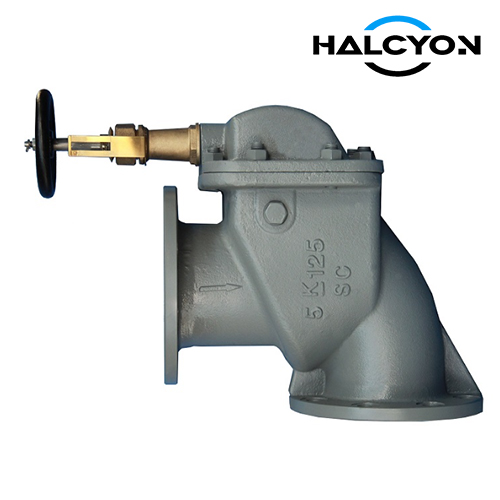
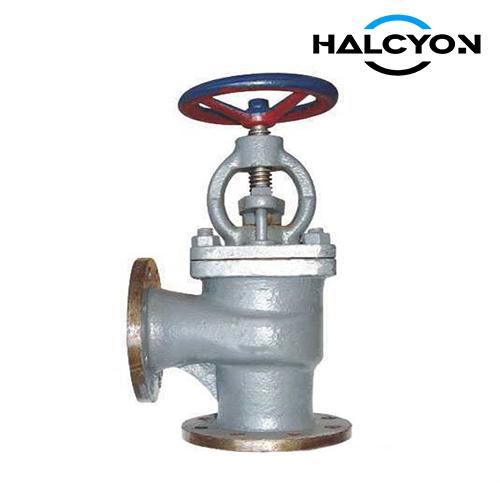
Globe & Angle Globe Valves: ASME B16.34 (stainless steel material group), DIN 86058, JIS F7313 (cast stainless steel globe valves), GB/T 586, CB/T 4233.
Gate Valves: API 600, API 603, BS 5154, DIN 3352 (stainless steel trim, full stainless option).
Ball Valves: API 608, ISO 17292 (floating or trunnion, fire‑safe, full stainless construction).
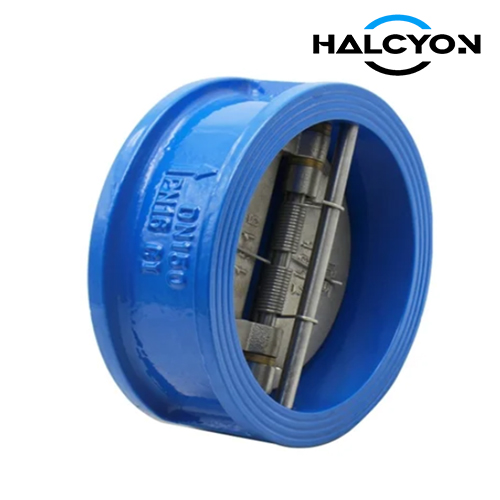
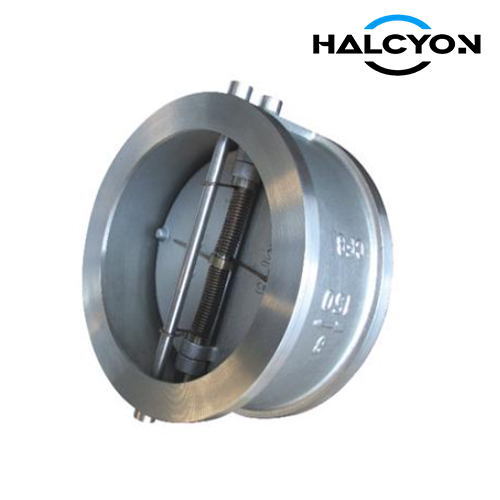
Butterfly Valves: API 609, EN 593 (resilient‑seated or high‑performance, all‑stainless body and disc).
The exact standard is matched to your vessel’s piping specification.Pressure Ratings:
ASME: Class 150, Class 300, Class 600 (ASME B16.34 / B16.5).
EN/DIN: PN10, PN16, PN25, PN40 (EN 1092‑1).
JIS: 5K, 10K, 16K, 20K (JIS B2220).
GB: PN6, PN10, PN16, PN25 (GB/T 2501).
Higher ratings up to Class 900/PN63 are available with duplex or super duplex bodies.Temperature Range:
With PTFE packing: ‑54 °C to +230 °C.
With graphite packing: ‑196 °C to +400 °C for 316L; up to +450 °C for duplex (subject to material pressure‑temperature derating).
Seat Tightness:
Metal‑seated: API 598 / EN 12266‑1 / GB/T 600 Rate B or better.
Soft‑seated: API 598 / EN 12266‑1 Rate A (zero visible leakage).
Fire‑Safe Construction (optional): For fuel oil and flammable cargo services, valves can be supplied with API 607 / ISO 10497 fire‑safe certification. This includes graphite packing, a metal secondary seat, anti‑static grounding, and all‑stainless fire‑resistant construction.
Actuation: All manual valves can be supplied with an ISO 5211 top mounting pad for electric, pneumatic, or hydraulic actuation. Actuators are weatherproofed to IP65 or IP68. Stainless steel actuator brackets and fasteners are standard.
Testing & Certification:
Every valve undergoes a hydrostatic shell test at 1.5× rated pressure and a seat leakage test at 1.1× rated pressure per API 598, EN 12266‑1, or GB/T 600.
Full EN 10204 Type 3.1 material certificates are provided for body, bonnet, stem, trim, and all pressure‑containing components, including confirmation of alloy composition (Cr, Ni, Mo, N for duplex) and corrosion test results (PREN, intergranular corrosion per ASTM A262/ISO 3651).
Type approval or Certificates of Conformity from all major IACS classification societies are available on request.
4. Dimension Specifications
Exacting dimensional control ensures direct interchangeability with existing deck piping and the vessel’s deck penetration standard:
Nominal Size Range: DN 15 to DN 600 (NPS ½″ to 24″) as standard. Larger sizes up to DN 1200 (NPS 48″) can be engineered for special applications.
Flange Connection & Deck Mounting Standards:
EN 1092‑1 (PN10, PN16, PN25, PN40)
ASME B16.5 (Class 150, Class 300, Class 600)
JIS B2220 (5K, 10K, 16K, 20K)
GB/T 2501 (PN6, PN10, PN16, PN25)
Pipe connection flanges and the deck base flange are drilled and faced precisely to match your piping specification:
Flange facings are flat‑face or raised‑face as required by the piping class.
Face‑to‑Face / Center‑to‑Face Dimensions:
Globe and angle globe valves: to ASME B16.10, EN 558, DIN 86058 (angle), JIS B2002, GB/T 12221, or CB/T 4233 as applicable.
Gate valves: to ASME B16.10 or EN 558.
Ball valves: to ASME B16.10 or EN 558 Series 1.
Butterfly valves: API 609 Table 2 or EN 558 Series 20 (short pattern).
These standardized lengths guarantee a bolt‑for‑bolt fit into an existing pipe spool without any on‑board modification.Valve Height & Deck Operating Clearance:
The overall height from the deck flange face to the top of the handwheel (or gearbox handwheel) is designed for comfortable standing operation, typically 800 mm to 1200 mm above the deck.
For larger sizes and higher pressures, a fully enclosed, grease‑filled gearbox is supplied, with the gearbox handwheel positioned at a convenient working height.
Deck Penetration Interface:
The integrally cast or fabricated deck base flange is dimensioned identically to the pipe connection flange, providing a uniform gasket seating surface. It bolts to the deck penetration flange using a full‑face EPDM, NBR, or PTFE gasket and stainless steel studs/nuts to create a permanent watertight seal.
All bolt circle diameters, bolt hole sizes, and flange thicknesses are held to the exact tolerances of the applicable flange standard.
Tolerances: All critical machined dimensions — bolt circle, bolt hole diameter, gasket seating face flatness, stem straightness, and flange alignment — are held to the strict tolerances specified in the relevant valve and flange standards.