Sounding Pipe Head
Oil vapors from the oil tank can escape through the sounding pipe; a sealed cover prevents continuous leakage of oil vapors, thereby reducing the risk of explosion upon contact with an open flame. A self-closing sounding cover automatically closes after being opened for sounding, preventing human error caused by forgetting to close it. CCS regulations mandate a self-closing structure for double-bottom oil tanks.
The sounding pipe and sounding cap serve as the final manual backup method for level measurement. Opening the cap allows the sounding rod to be lowered to obtain the actual liquid level inside the tank, which is used for ballast calculations, inventory accounting, and monitoring for damage and water ingress.
Overview
Difference:
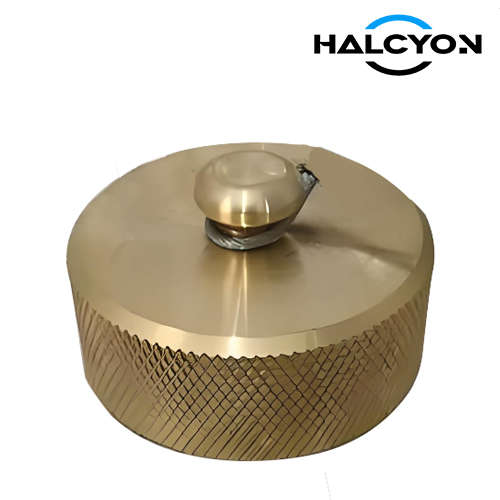
1. Standard threaded sounding cap: Tightened manually with a thread and gasket; suitable for low-risk compartments such as fresh water tanks and ballast tanks; must be manually retightened after each sounding;
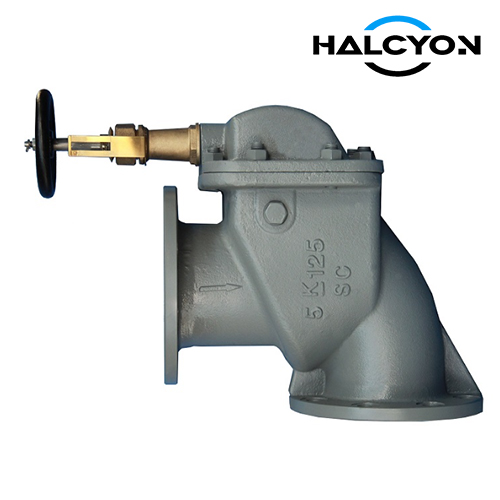
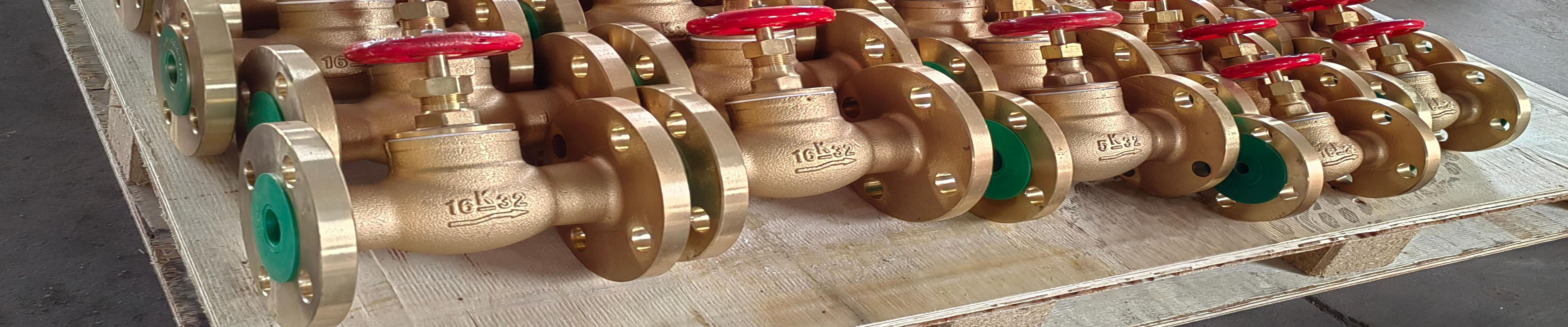
2. Self-closing sounding cap (self-closing sounding valve): Features a counterweight or spring-loaded self-sealing mechanism; the sounding plug must be lifted to take a sounding, and the valve closes automatically when released; Mandatory recommendation forfuel tanks and double-bottom tanks to eliminate the major safety hazard of forgetting to close the cap.
Installation Locations:
- Open-air freeboard deck, bulkhead deck;
- Above the perforated steel plate in the engine room (for short sounding pipes in fuel tanks, self-closing sounding valves are commonly used);