Scupper Plug
A Marine Scupper Plug is a manually operated closure device designed to seal deck scuppers, drains, washbasins, sinks, and tank connections on board a vessel. It is inserted into the drain opening and tightened or pressed into place to create a watertight, oiltight, or airtight seal. By preventing the passage of water, cargo residues, and debris through the deck drainage system, it supports watertight integrity, pollution prevention, and sanitary management. A retaining chain or lanyard is always fitted to secure the plug to the deck or scupper body, preventing loss overboard.
Overview
1. Design Types and Operating Principles
We manufacture scupper plugs in several proven configurations to meet every shipboard drainage application:
Threaded Plug (Screw Type): The most common design, featuring a male thread that engages a matching female thread in the scupper body. A square, hex, or wing head allows hand-tightening or wrench operation. A captive flat sealing washer (rubber, fiber, or PTFE) is recessed under the head to ensure a leak-proof joint without excessive torque. Threads are supplied to BSP (parallel/tapered), NPT, or metric standards as required.
Tapered Friction Plug (Bung Type): A smooth, precision-machined taper that is driven into a plain-bore scupper sleeve by hand pressure or a few light mallet taps. The interference fit provides an immediate seal. This type is commonly used for emergency damage control and for drain openings where threads have been damaged or are not present.
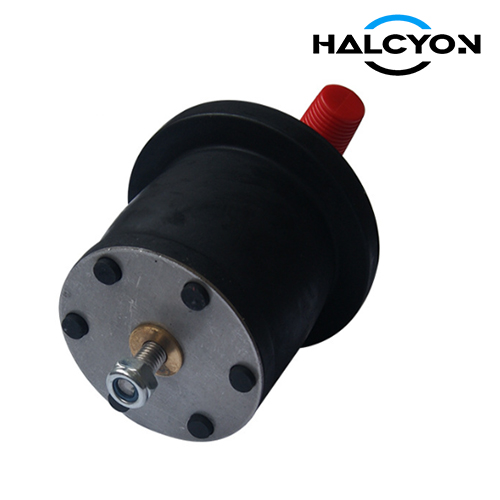
Expansion Plug (Rubber/Metal): Although more common for pipe sealing, small rubber expansion plugs with a central bolt and metal plates can be used in larger or irregular scupper openings. Tightening the bolt compresses the rubber, expanding it radially against the scupper bore.
Quick-Action Lever Plug: A specialized plug incorporating a cam lever that expands a rubber seal when closed, enabling one-handed insertion and removal. Often specified for damage control lockers and rapid-response situations.
2. Comprehensive Material Selection
We offer scupper plugs in a wide range of materials, each selected for specific environmental and fluid conditions:
Brass (Naval Brass / DZR Brass): The traditional choice for general marine use. Dezincification-resistant alloys (e.g., CuZn39Sn1) provide excellent resistance to seawater and atmospheric corrosion. Brass is non-sparking, easy to machine, and maintains a functional finish for decades. It remains the standard for cargo vessel decks and general sanitary drains.
Stainless Steel (AISI 316L / Duplex): The premium, maintenance-free solution. 316L offers superior pitting resistance in chloride-rich seawater and is impervious to rust, making it mandatory for chemical tankers, cruise vessels, naval ships, and potable water systems. Duplex grades provide additional strength for high-pressure and impact applications.
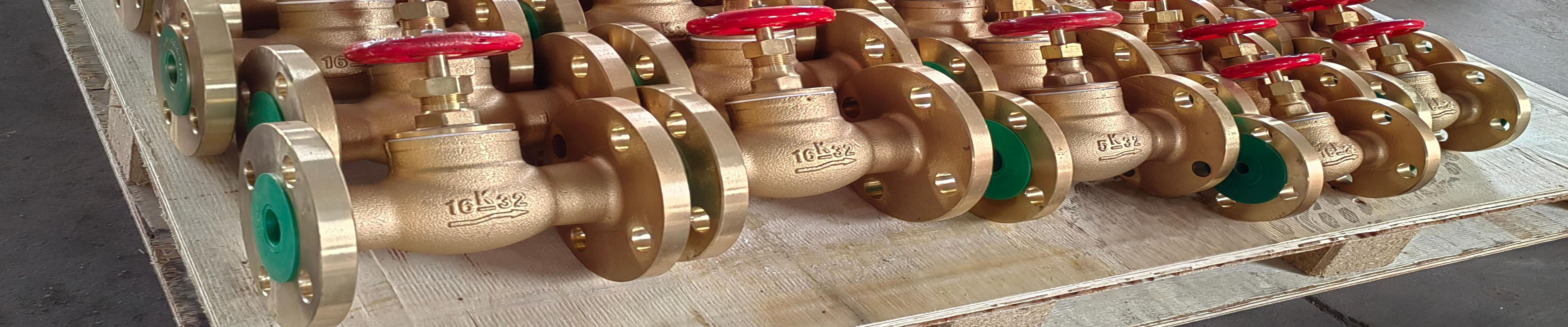
Bronze: A traditional marine alloy, closely related to brass but with higher tin content, offering excellent seawater corrosion resistance and historic authenticity for classic vessels and yachts.
Plastic / Composite: Heavy-duty glass-reinforced nylon, polypropylene, or PTFE plugs are available for applications requiring electrical insulation, chemical inertness, or very low weight. They are completely immune to corrosion but have lower mechanical strength.
Rubber (Molded EPDM / NBR): Solid rubber or rubber-covered metal core plugs used for temporary sealing and in damage control. The elastomer conforms to rough surfaces, providing a quick seal in irregular openings.
All metal plugs are supplied with a matching stainless steel (AISI 316) retaining chain and deck padeye. Sealing washers are available in EPDM (seawater/freshwater), NBR (oil/fuel), PTFE (chemicals/high temperature), and fiber.
3. Key Technical Features and Benefits
Instant Manual Operation: All designs can be sealed and released by hand or with basic tools, requiring no power source and minimal training.
Positive Watertight Seal: When correctly installed with the appropriate washer or taper fit, scupper plugs reliably seal against deck water pressure and backflow from the sea.
Captive Chain Retention: The welded or pinned stainless steel chain prevents loss overboard and keeps the plug immediately available at its point of use.
Corrosion-Resistant Construction: Material options from brass to duplex stainless steel ensure a full service life in the intended environment without rust staining, seizing, or thread galling.
Interchangeability: Plugs are machined to standard thread forms and taper dimensions, allowing direct replacement of worn or missing plugs without modifying the scupper body.
Non-Sparking Safety: All brass, bronze, and austenitic stainless steel plugs are non-sparking, making them safe for use on tanker decks and in hazardous areas.
4. Typical Marine Applications
Weather Deck Scuppers and Drains: Sealing open deck drains during heavy weather, cargo operations, or deck washing to prevent seawater backflow and accidental overboard discharge.
Sanitary and Galley Drains: Closures for washbasins, showers, bathtubs, and galley sinks on passenger vessels, ferries, and yachts.
Cargo Tank and Void Space Drain Plugs: Used at low-point drains on tanker decks to seal after dewatering.
Engine Room and Bilge Drains: Isolating bilge drain points during maintenance to prevent oil and water leakage.
Emergency Damage Control: Tapered plugs and rubber plugs are essential components of damage control kits for immediate sealing of broken pipes, hull penetrations, and damaged scupper lines.
Potable Water and Food-Grade Drains: Stainless steel plugs with EPDM or PTFE washers ensure hygiene and prevent contamination.
5. Quality Assurance and Certification
Material Traceability: Full EN 10204 Type 3.1 material certificates can be supplied for metal plugs, verifying alloy composition and mechanical properties. Plastic and rubber components are supplied with manufacturer’s certificates of conformity.
Dimensional Accuracy: All threads are inspected to the relevant standard (BSP, NPT, metric) using calibrated gauges. Taper plugs are checked for correct taper angle and diameter.
Leak Testing: On request, plugs can be pressure-tested to confirm seal integrity at the specified working pressure, with a test certificate provided.
Permanent Marking: Where size allows, metal plugs are permanently marked with the manufacturer’s mark, material grade (e.g., 316L, DZR), and nominal size.
Classification Society Acceptance: Scupper plugs are manufactured from materials and to workmanship standards accepted by all major IACS classification societies (ABS, DNV, LR, BV, CCS, NK, KR, RINA, etc.). We can supply supporting documentation to meet your vessel’s survey requirements.