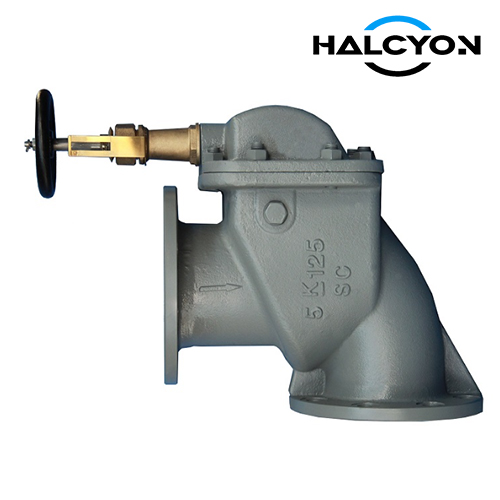
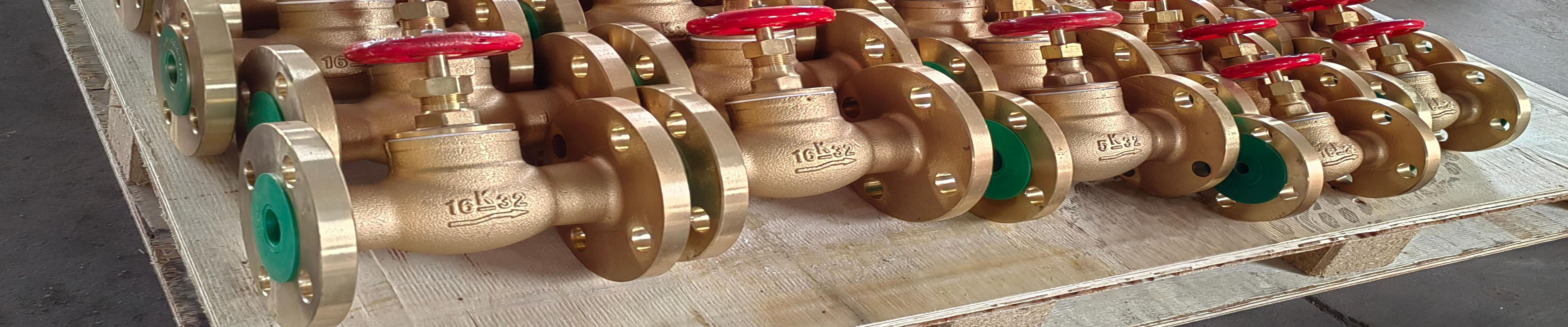
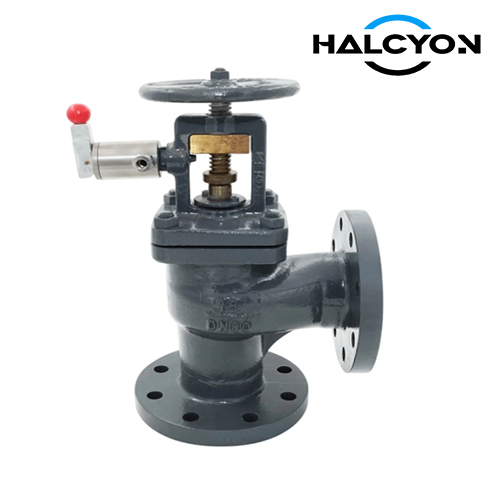
Pneumatic Marine Quick Closing Valve
Pneumatic actuation offers the fastest, most reliable remote shutoff mechanism available. It requires only clean, dry compressed air—already present in every engine room—and uses a simple piston-and-spring actuator with minimal moving parts. The fail-safe spring-return design guarantees that the valve will close automatically if control air pressure is lost for any reason, without requiring any external power source or human intervention. This inherent safety, combined with proven durability in the hot, vibrating, and oil-misted machinery space environment, makes the pneumatic quick closing valve the mandatory or preferred choice for fuel isolation on the vast majority of vessels worldwide.
Overview
1. Design Standards and Global Compatibility
Our Pneumatic Marine Quick Closing Valves are designed, manufactured, and certified to the most demanding international requirements:
SOLAS Chapter II-2, Reg. 4.2.2: Mandates remote-operated quick closing valves on fuel oil and other flammable oil tank outlets in machinery spaces.
IACS UR (Unified Requirements): Harmonized design, fire-resistance, and testing criteria accepted by all major classification societies.
Classification Society Rules: Type approval from ABS, DNV, LR, BV, CCS, NK, KR, RINA, etc.
National Standards Available: Valves can be supplied fully compliant with specific standards such as JIS F7399, GB/T 5744, DIN 86058 (for the main valve body), or ASME B16.34, depending on your vessel’s requirements.
Flange Standards: Outlet flanges are drilled to match your piping specification — DIN EN 1092-1 (PN10/PN16), JIS B2220 (5K/10K/16K), ASME B16.5 (Class 150/300), or GB/T 2501 — ensuring a direct, adaptor-free fit.
2. How the Pneumatic System Works
Normal Operation: Control air (typically 5-8 bar) is continuously supplied to the actuator cylinder via a 3/2-way solenoid valve or manual push-button valve. Air pressure pushes a piston against a heavy-duty spring, moving the valve stem and disc to the open position. The valve remains open as long as air pressure is maintained.
Emergency Closure: Closure is triggered by any of the following events, all of which cause the actuator cylinder to vent to atmosphere:
A crew member presses a remote emergency stop button (pneumatic or electrical signal).
A fire detection system automatically de-energizes a solenoid valve.
A manual release lever on the actuator itself is pulled.
Loss of ship’s control air supply (automatic fail-safe).
The instant the air pressure below the piston is released, the pre-compressed spring expands forcefully, driving the disc against the seat and shutting off flow in under five seconds.Manual Override: A local handwheel or declutchable lever is always fitted, allowing the valve to be closed or carefully reopened locally for testing and maintenance, independent of air pressure.
3. Marine-Grade Material Selection
Body & Bonnet: Cast steel (e.g., ASTM A216 WCB, SCPH2, ZG230-450), ductile iron (EN-GJS-400-18, FCD450, QT450-10), or stainless steel (CF8M/SCS14/1.4408) for aggressive fuels. Ferrous bodies receive a high-build epoxy coating.
Trim (Disc & Seat): Stainless steel (AISI 316/304, SUS316/304) or Monel seating surfaces, precision-lapped for positive shutoff. For clean oil services, resilient soft-seat inserts (PTFE, reinforced EPDM, or FKM) provide bubble-tight closure.
Stem & Actuator Spring: Stainless steel stem with a high-cycle, corrosion-protected actuator spring (epoxy-coated alloy steel or stainless spring steel).
Packing & Gaskets: Graphite stem packing and spiral-wound or graphite bonnet gaskets for fire resistance and long service life.
4. Key Technical Features and Safety Benefits
Fail-Safe Spring Closure: The spring is always working to close the valve. If control air is lost, the valve closes automatically—no power, no signal, no operator action required.
Remote Multi-Point Shutoff: A single valve can be triggered from multiple remote stations (engine control room, fire control station, escape exits) using pneumatic push-buttons or electrical solenoid valves.
Rapid, Positive Fuel Cutoff: The powerful spring delivers high closing torque, shearing through viscous fuel and overcoming any disc stiction to achieve a tight seal at full line pressure in under five seconds.
Clear Visual and Electrical Feedback: A prominent mechanical indicator on the actuator shows OPEN/CLOSED status. Factory-fitted limit switch boxes provide remote electrical indication to the engine room alarm and monitoring system.
Low Maintenance Design: The piston-and-spring actuator has only a single moving part, with O-rings and seals selected for long life in hot, oily air. No external lubrication is needed.
Fire-Safe Construction: All components exposed to potential fire are metallic or graphite, with fire-safe gaskets and packings that maintain closure integrity under flame exposure, as required by SOLAS and class rules.
5. Typical Marine Applications
Pneumatic Marine Quick Closing Valves are installed in every critical flammable fluid system:
Fuel Oil Tanks: Heavy fuel oil (HFO) and marine diesel oil (MDO) storage, settling, and service tank outlets.
Lubricating Oil Tanks: Main engine and generator sump tanks, cylinder oil tanks, and LO purifier supply lines.
Thermal Oil Systems: Hot oil expansion and heater isolation.
Hydraulic Oil Tanks: Remote shutoff for power pack reservoirs.
Bunker Stations and Transfer Lines: Where remote emergency isolation is required.