Oil Suction Bellmouths
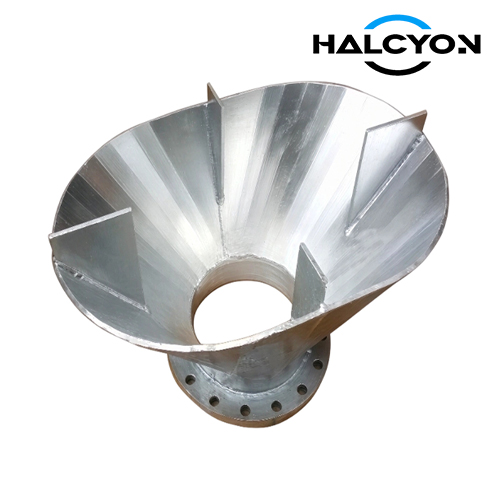
An Oil Suction Bellmouth is a flared, trumpet-shaped pipe fitting specifically designed for installation at the inlet of pump suction lines handling fuel oil, lubricating oil, cargo oil, and thermal oil. Its smoothly expanding profile reduces turbulence and entrance velocity, preventing the formation of air-entraining vortices that can cause pump cavitation, vibration, and metering errors. An integral strainer or grating keeps sludge, wax deposits, scale, and foreign objects out of the piping system, protecting downstream pumps, purifiers, heaters, and meters. The bellmouth also ensures a steady, uninterrupted flow of oil, even as the tank level drops close to the suction opening.
Overview
1. Applicable Standards and Design Basis
Our Oil Suction Bellmouths are designed and manufactured in accordance with the relevant marine and industrial standards:
SOLAS Chapter II-2: Fire safety requirements for fuel oil piping and tank suction arrangements, including provisions for remote shutoff and isolation.
Classification Society Rules: ABS, DNV, LR, BV, CCS, NK, KR, RINA, and other IACS members define requirements for oil tank suctions, strainer open area, and anti-vortex devices.
Hydraulic Institute (HI) Standards: Recommendations for pump suction piping, including bellmouth diameter, minimum submergence, and vortex prevention for viscous fluids.
Flange Compatibility: Outlet flanges are drilled to match your vessel’s piping standard — ASME B16.5 (Class 150/300), EN 1092-1 (PN10/PN16), JIS B2220 (5K/10K), or GB/T 2501 — for direct integration.
2. Material Selection — Compatibility, Corrosion Resistance, and Fire Safety
Materials are selected for proven compatibility with a wide range of petroleum-based oils and blends, including biofuels and synthetic lubricants:
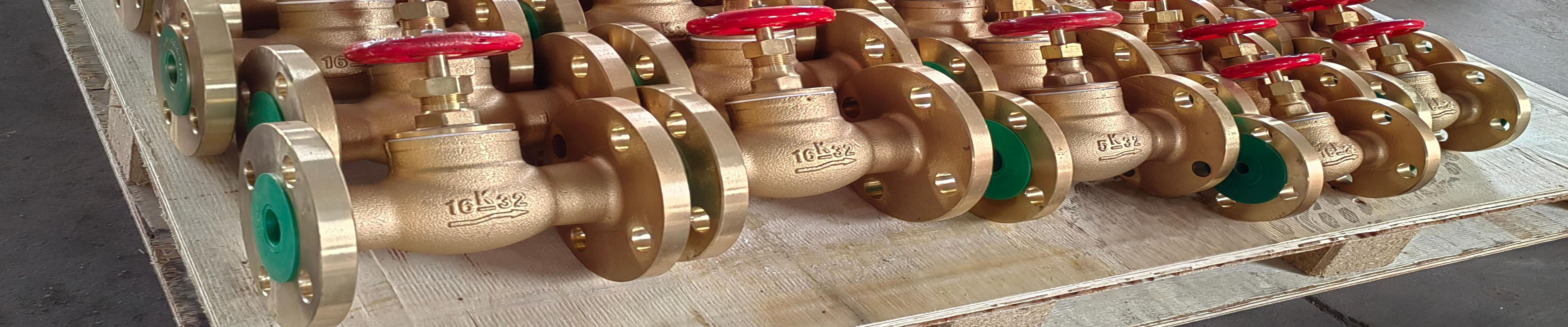
Bronze / Gunmetal (CuSn10 or equivalent): The traditional and most common choice for oil service. Inherently non-sparking, resistant to seawater and acidic oil residues, and completely compatible with diesel, heavy fuel oil, and lubricating oil. No coatings to delaminate.
Stainless Steel (AISI 316L): Premium material for high-temperature thermal oil systems, aggressive fuel blends, and hygienic applications. Excellent pitting resistance, non-sparking, and maintenance-free. Required for high-purity mineral oils.
Ductile Iron / Cast Iron (with oil-resistant coating): An economical option for clean mineral oil and diesel storage tanks. Internally coated with a fuel-resistant epoxy or phenolic coating. Not recommended for heated heavy fuel oil where thermal cycling may stress the coating.
Carbon Steel (with galvanizing or coating): Used for large-diameter, low-pressure oil tank suctions. Galvanizing is suitable for diesel and gas oil but must be evaluated for heated heavy fuels. Special coatings are available.
All internal components — strainer, anti-vortex plate, fasteners — are manufactured from the same material or a galvanically compatible, non-sparking alloy. Spark-free design is essential for tanker decks and hazardous zones.
3. Design Configurations and Key Features
Optimized Bellmouth Profile: The inlet diameter is typically 1.5 to 2.0 times the nominal pipe size, with a smooth elliptical or radiused flare. This reduces the entrance loss coefficient (K-factor) and prevents flow separation, critical for viscous oil where losses are higher.
Large-Area Strainer: Oil requires a larger strainer surface area than water due to higher viscosity. Perforated plate or heavy-duty bar grating with an open area ratio of at least 2:1 (net open area to pipe area) is standard. Mesh sizes are selectable based on the pump and downstream equipment sensitivity—typically 5 mm to 20 mm perforations for fuel oil, finer for lube oil.
Anti-Vortex Device: A cross-vane or flat anti-vortex plate is welded inside or above the bellmouth inlet. This disrupts the rotational flow that leads to vortex formation when the oil level falls, preventing air or inert gas blanket gases from being drawn into the pump.
Mounting Feet / Stand: Robust feet or a ring stand maintain a fixed clearance (typically 50-100 mm) from the tank bottom, preventing the suction from ingesting settled sludge, water bottoms, and solid contaminants. Feet are designed to resist sliding on tank floors.
Flanged Outlet: An integral flanged connection mates directly to the suction pipe, with bolt holes aligned to the specified standard. Flange facing is typically flat-face for connection to bronze/brass flanges, or raised-face for steel.
Optional Heating Coil Connections (for HFO): For heavy fuel oil suctions where the bellmouth itself may be in a cold tank, bosses or brackets can be provided for attaching a steam or thermal oil heating loop around or near the bellmouth, ensuring the oil in the immediate suction area remains pumpable during cold start-up.
4. Key Technical Benefits
Reliable Oil Supply to Pumps: The vortex-breaking design ensures only liquid oil enters the suction line, preventing pump cavitation, loss of suction, and erratic flow meter readings.
Protection Against Debris and Sludge: The generously sized strainer prevents waxy deposits, scale, rust particles, and other solids from reaching purifiers, booster pumps, and fuel injection equipment, reducing maintenance and downtime.
Non-Sparking Safety: Bronze and stainless steel construction eliminates the risk of sparks from metal-to-metal contact during installation or maintenance on tanker decks and in flammable atmospheres.
Designed for Viscous Fluids: The large inlet area and smooth profile minimize flow separation and entrance losses even with high-viscosity heavy fuel oil at elevated temperatures.
Easy Inspection and Cleaning: The bellmouth and strainer are accessible via tank manholes. The robust, open-frame strainer design can be cleaned by scraping or pressure washing without damage.
Long Service Life: Corrosion-resistant materials and minimal moving parts ensure decades of service with no need for replacement due to rust or coating failure.
5. Typical Marine and Industrial Applications
Marine:
Heavy fuel oil (HFO) and marine diesel oil (MDO) storage, settling, and service tank suctions
Main engine and auxiliary engine lubricating oil sump suctions
Cargo oil pump suctions on crude, product, and chemical tankers
Thermal oil and hot oil circulation pump suctions
Bilge water oil/water separator feed pump suctions
Hydraulic oil tank suctions
Industrial:
Fuel oil day tank suctions for power plant and boiler feed pumps
Lube oil circulation system suctions in refineries and compressor stations
Used oil and waste oil collection tank suctions
Biofuel and blended fuel storage tank suctions