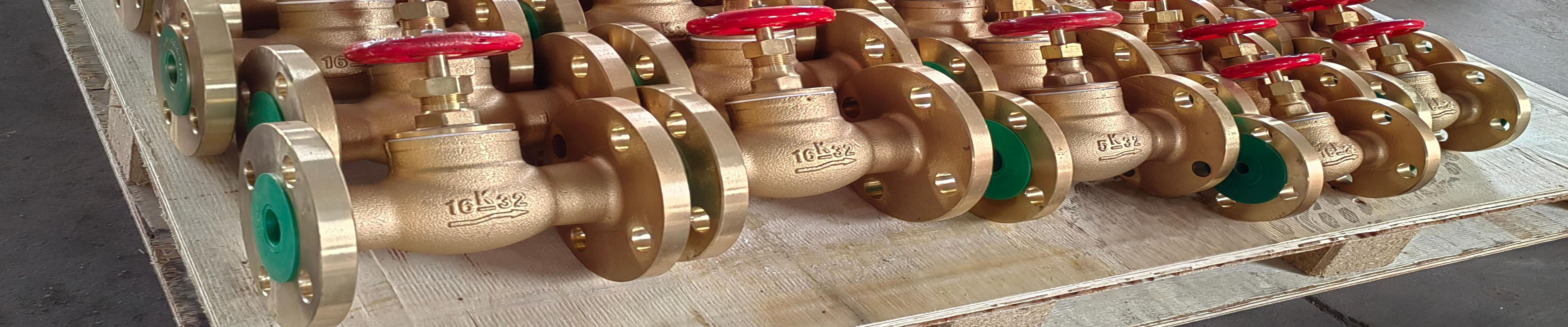
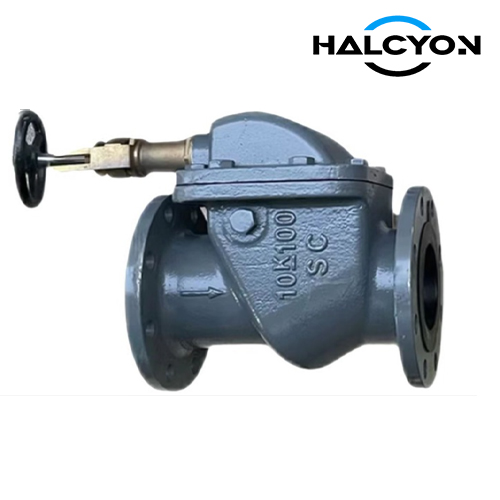
Marine Storm Valve
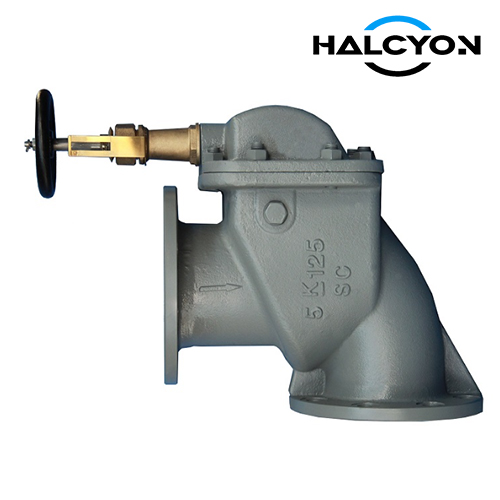
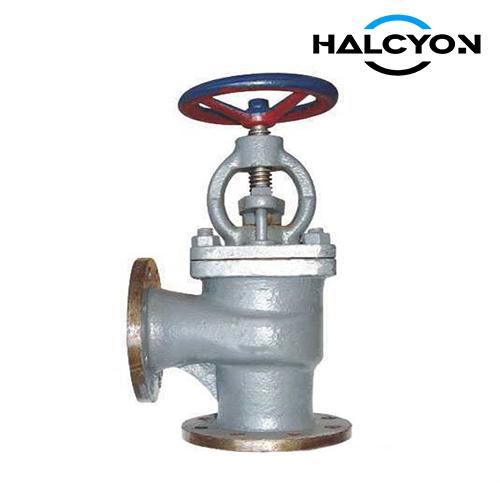
Marine storm valves are primarily installed on the side of a vessel to discharge sewage or wastewater, and features an automatic shut-off function to prevent seawater from flowing back into the ship’s hold.
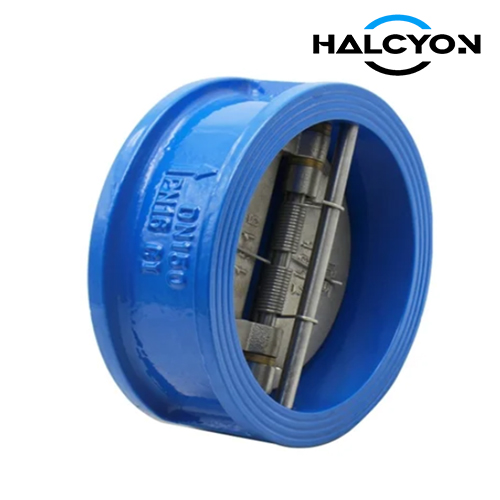
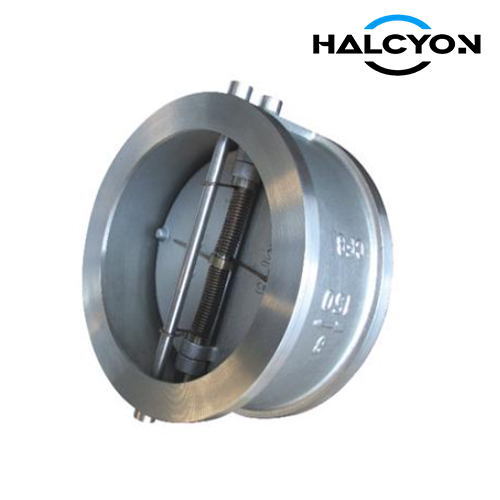
The core mechanism of a storm valve is a one-way check valve. It typically contains a spring-loaded valve disc.
A storm valve can be equipped with a locking device to forcibly secure it in the open or closed position and prevent accidental operation.
Overview
Selection of marine storm valves:
Size: DN50–DN200
Pressure: 0.1 MPa–1.6 MPa
Model: Type A, AS, B, BS
Material: Cast steel, bronze
Functions of marine storm valves:
One-way Discharge: Allows sewage, wastewater, or fresh water from inside the vessel to be discharged overboard.
Prevents Backflow: When the vessel is navigating through waves or at anchor, if the water level outside the vessel is higher than the discharge port, the storm valve automatically closes to prevent seawater from surging into the vessel, ensuring the vessel’s safety.
Hydraulic Protection (Special Applications): In the rudder hydraulic system, the storm valve can function as a safety bypass valve. When oil pressure on one side of the rudder cylinder or piping becomes excessively high (e.g., due to wind and wave impact), the valve opens to release high-pressure hydraulic fluid, preventing the rudder oil pump from overloading and avoiding mechanical damage.
Installation Requirements for marine storm valves:
Never install the valve in the wrong direction: Ensure that the flow direction of the medium matches the arrow on the valve body.
Storm valves designed for vertical installation must not be installed horizontally; otherwise, the weight of the disc may cause difficulty in opening or incomplete closure.
Storm valves designed for horizontal installation must not be installed vertically, to prevent gravity from affecting sealing performance.