Marine Pressure Reducing Valve
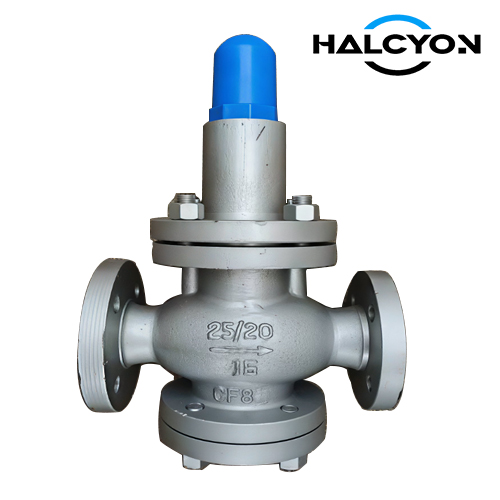
A marine pressure-reducing valve is a critical control device used to reduce the pressure of high-pressure fluid at the inlet to the desired low pressure and maintain a stable outlet pressure. It is widely used in compressed air, steam, water, and seawater piping systems on ships to ensure that equipment operates within safe pressure limits.
Overview
Types:
1.Air Pressure Reducing Valve: Used in marine compressed air systems to regulate inlet pressure, typically between 1.0 and 3.0 MPa. Commonly used for pneumatic control and instrument air supply.
2.Steam Pressure Reducing Valve: Used in steam piping systems, typically operating at temperatures not exceeding 300°C. Most are made of cast steel to withstand high temperatures and pressures.
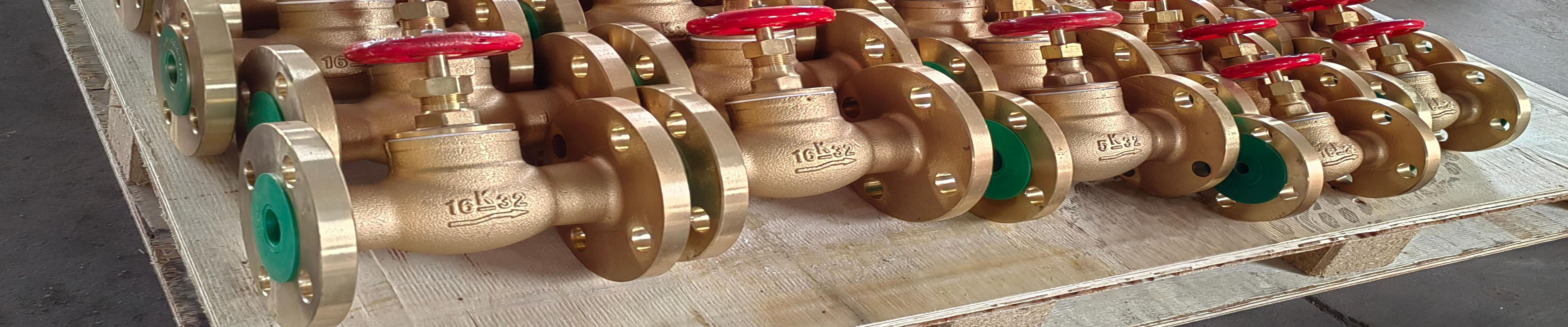
3.Water Pressure Reducing Valves: These are divided into freshwater and seawater types. In seawater environments, bronze is often selected for its corrosion resistance, in compliance with standards such as CB/T 624.
4.Pressure Reducing Valve Assemblies: For example, nitrogen pressure reducing valve groups. These are often combined with shut-off valves, filters, and safety valves to form a pressure reducing valve assembly, used in specific process systems.
Standards:
Air Pressure Reducing Valve Standard: CB/T 3656-1994; Pressure: 1 MPa–3 MPa, Nominal Diameter: DN15–DN32; Valve Body Material: Brass/Carbon Steel
Steam Pressure Reducing Valve Standard: GB/T 1852-2008; Pressure: 0.4 MPa–2.5 MPa; Nominal Diameter: DN25–DN200; Valve Body Material: Cast Steel
Water Pressure Reducing Valve Standard: CB/T 624-2020; Pressure: 0.8 MPa–1.6 MPa; Nominal Diameter: DN32–DN100; Valve Body Material: Bronze