Marine Oil Tank Deck Control Device
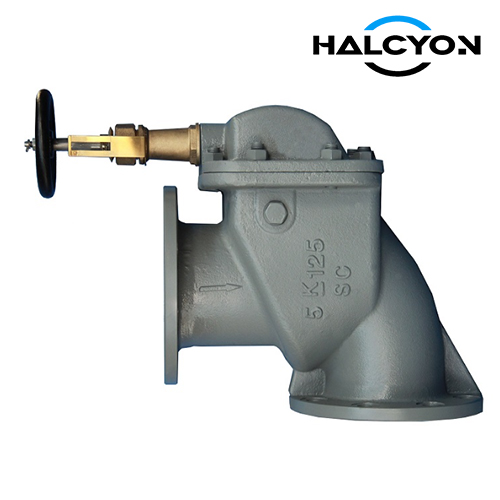
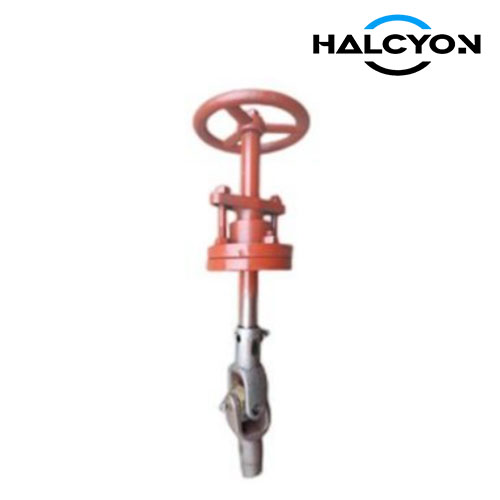
Marine Oil Tank Deck Control Device is a marine remote control equipment designed for operating and managing oil tank valves and related piping systems installed on ships.
The device is installed on the oil tank deck area and provides a safe and convenient operating position for controlling tank valves without directly accessing the tank area.
Marine Oil Tank Deck Control Device is mainly applied to:
Fuel oil tanks
Cargo oil tanks
Lubricating oil tanks
Oil transfer systems
Marine tank piping systems
Through mechanical transmission, hydraulic control, or remote operating mechanisms, the device enables operators to control valves connected to oil tanks during loading, unloading, draining, and isolation operations.
Overview
Working Principle of Marine Oil Tank Deck Control Device
Marine Oil Tank Deck Control Device transfers manual operating force from the deck position to valves installed on oil tank systems.
The control mechanism can be:
Mechanical shaft transmission
Gear operating system
Hydraulic control system
Cable linkage system
Main Components of Marine Oil Tank Deck Control Device
Cast Iron / Ductile Iron Components
The bracket and handwheel are manufactured from high-strength ductile cast iron, providing excellent mechanical strength, impact resistance, and durability for marine applications.
Carbon Steel Components
Structural parts such as base plates, operating rods, and shafts are made of high-quality carbon steel, offering reliable strength and stable transmission performance.
Bronze Bushings
Tin bronze bushings are used in sliding and rotating components to provide good wear resistance, corrosion resistance, and smooth operation.
Brass Components
Brass parts such as indicators and small connection components provide excellent corrosion resistance and long service life in marine environments.
Performance Test of Marine Oil Tank Deck Control Device
The operational qualification process comprises a series of rigorous evaluations to ensure the equipment's reliability and performance in real-world conditions. First, the Operation Test verifies that all moving parts function smoothly without undue friction or noise, while the Transmission Test checks the precision of movement and positioning accuracy against specified tolerances. The Load Test then subjects the structure to maximum working loads to confirm its mechanical strength and stability, ensuring it can withstand operational stresses without deformation or failure. Additionally, the Functional Test focuses specifically on valve control performance, validating response times, sealing integrity, and actuation accuracy under various pressure and flow conditions. Beyond mechanical and functional checks, the Corrosion Inspection assesses the effectiveness of marine-grade protective coatings and materials, guaranteeing long-term durability in saltwater or humid environments. Finally, the Dimensional Inspection verifies all critical measurements against installation drawings and interface requirements, confirming that the unit will mate seamlessly with existing systems and mounting points. Collectively, these tests provide comprehensive assurance of both safety and operational readiness prior to deployment.
Typical Applications
The equipment is designed for a wide range of typical applications across marine and industrial fluid systems. In fuel oil tanks, it precisely controls the operation of tank valves to manage fuel supply and storage. For cargo oil tanks, it reliably operates cargo oil valves, enabling efficient loading, discharge, and transfer of bulk oil products. In lubricating oil tanks, the system regulates oil discharge, ensuring proper lubrication flow and maintaining oil quality. When integrated into oil transfer systems, it supports both loading and unloading operations, facilitating smooth and safe bunkering or offloading procedures. In tank isolation systems, it provides secure and dependable valve actuation, which is critical for segmenting sections of the piping network during maintenance or emergency situations. Additionally, within engine room oil systems, it controls the oil pipelines, ensuring that lubricating and fuel oils are distributed correctly to engines and auxiliary machinery. Collectively, these applications demonstrate the system's versatility and robustness in handling diverse operational demands, from routine cargo handling to critical safety isolation tasks.