Marine Intake Port
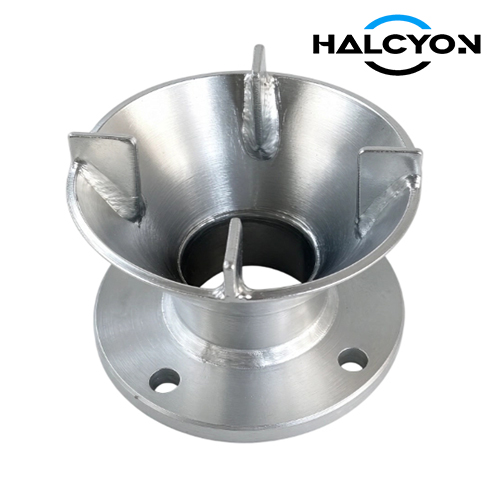
A Marine Intake Port is a structural opening or fabricated fitting installed on the underwater hull of a vessel, through which seawater is drawn into the ship's piping systems. It serves as the primary interface between the sea and the vessel's internal seawater networks—supplying cooling water to engines and generators, feeding firefighting and ballast pumps, and providing water to desalination plants. The intake typically consists of a hull insert, an external grating or strainer plate to prevent the entry of debris and marine life, an internal isolation valve, and often a sea chest—a recessed box that provides a stable water reservoir and allows multiple services to draw from a single hull penetration. It is one of the most critical fittings for the safe and continuous operation of a vessel.
Overview
1. Applicable Standards and Regulatory Basis
Our Marine Intake Ports are designed, manufactured, and certified in accordance with:
SOLAS Chapter II-2: Fire safety requirements relevant to sea water intakes for fire pumps, including protection against blockage.
Classification Society Rules: ABS, DNV, LR, BV, CCS, NK, KR, RINA, and other IACS members publish detailed requirements for hull penetrations, sea chest design, grating open area, weld integrity, and material certification.
IACS UR (Unified Requirements): Harmonized standards for sea chest construction, reinforcement, and testing.
ISO 15364 (Marine Air Pipe Heads): While not directly for intakes, the principles of grating and debris exclusion are applied to grating design.
Flange Standards (Internal Connections): The internal pipe connection flange is supplied to match the vessel's piping class—ASME B16.5 (Class 150/300), EN 1092-1 (PN10/PN16), JIS B2220 (5K/10K), or GB/T 2501.
Material Standards: All materials comply with applicable international standards for hull steel, stainless steel, bronze, and coatings.
2. Material Selection for Underwater Service
Materials are selected for maximum corrosion resistance, galvanic compatibility with the hull, and long-term endurance in a fully submerged, saltwater environment:
Hull Insert / Sea Chest Structure: Typically fabricated from the same grade of steel as the vessel's hull (e.g., Grade A, AH36, DH36 shipbuilding steel) to ensure uniform strength and weld compatibility. Internal surfaces are coated with a high-build, seawater-resistant epoxy or a specialized anti-corrosion coating system approved for underwater use.
External Grating / Strainer Plate: Marine-grade bronze, gunmetal (CuSn10), or stainless steel (AISI 316L/duplex) is standard. These alloys resist corrosion and marine growth, and are non-sparking. Gratings are designed with bar spacing or perforations (typically 6 mm to 20 mm) to comply with class rules while allowing maximum flow.
Internal Piping Connection: The pipe flange and stub are manufactured from steel (with coating) or stainless steel, depending on the attached system, with appropriate dielectric isolation or corrosion protection against dissimilar metal attack.
Cathodic Protection: Integral provisions for mounting sacrificial anodes (zinc or aluminium) are incorporated into the sea chest to protect the steel structure and attached piping from galvanic corrosion. Anode size and material are calculated based on the wetted surface area and vessel's ICCP (Impressed Current Cathodic Protection) system, if any.
3. Design Configurations and Key Features
Sea Chest (Box-Type Intake): A recessed compartment welded into the hull, providing a large, stable reservoir of seawater. Multiple service connections (main engine cooling, auxiliary cooling, fire pump, ballast) can be taken from a single sea chest, simplifying piping and reducing the number of hull penetrations. The sea chest is provided with a bolted manhole or access cover for internal inspection and cleaning.
Direct Hull Penetration (Flush Intake): A simple flanged or threaded insert mounted directly in the hull plate, used for smaller services or where a sea chest is not required. The external grating is flush with the hull to minimize drag.
External Grating / Strainer: A heavy-duty, removable grating is bolted to the exterior of the hull, covering the intake opening. Bar spacing or hole size is carefully chosen to satisfy class requirements for fire pump sea suctions (typically 3 to 15 mm) while preventing the entry of debris, ice, and marine life. The open area is sized so that the net flow velocity through the grating does not exceed the maximum permitted by class rules, typically around 0.6 to 1.5 m/s, to minimize pressure loss and the risk of clogging.
Air Vent and Drain Connections: The sea chest is fitted with a small air vent pipe to allow air to escape during initial flooding and a drain connection for periodic cleaning and inspection. Vent and drain lines are fitted with valves and routed to a safe location.
Cathodic Protection Anodes: Provision for bolting sacrificial anodes directly into the sea chest. The anodes are electrically bonded to the sea chest structure and designed to be replaced during dry-dockings.
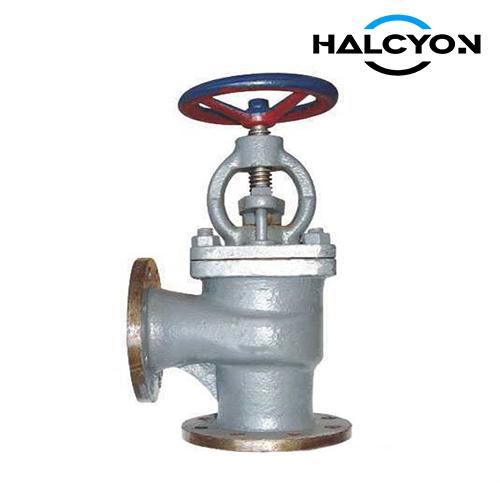
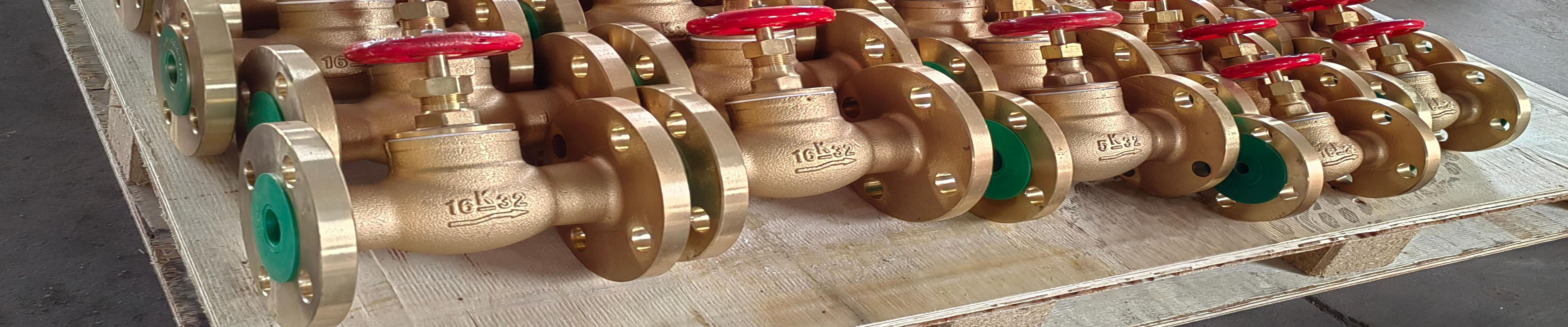
Internal Isolation Valve: While not part of the intake port itself, the first valve on each service connection inside the hull is typically a robust gate, butterfly, or globe valve, rated for the full sea pressure and meeting class requirements for underwater penetrations.
4. Key Technical Features and Operational Benefits
Reliable Seawater Supply: The large reservoir of a sea chest or the carefully sized grating of a direct intake ensures a continuous, stable water flow to critical services, even in heavy weather or in shallow, debris-laden water.
Debris and Marine Growth Prevention: The external grating acts as the first line of defense, keeping fish, jellyfish, ice, and large debris out of the piping. Internally, the sea chest can be cleaned and inspected through the access cover.
Multiple Services from One Penetration: A sea chest reduces the number of hull openings, minimizing drag, structural weakening, and potential leak points.
Structural Integrity and Safety: The intake is designed to the same standards as the hull, with full penetration welds and reinforcement pads as required. Class-approved materials and coatings ensure a safe, watertight installation.
Corrosion Protection System: The combination of internal coatings and sacrificial anodes provides a robust defense against the aggressive seawater environment, extending the service life of the intake and connected piping.
Accessible for Maintenance: Sea chest manholes and drain connections allow crew to clean accumulated silt and marine growth during dry-docking or, with proper precautions, while afloat.
5. Typical Marine Applications
Main and Auxiliary Engine Seawater Cooling Intakes
Fire Pump and Water Mist System Sea Suctions
Ballast Water System Intakes
Fresh Water Generator (Desalination) Intakes
Air Conditioning and Refrigeration Condenser Cooling Water Intakes
Deck and General Service Sea Water Intakes
Offshore Platform and FPSO Process Water and Firewater Intakes