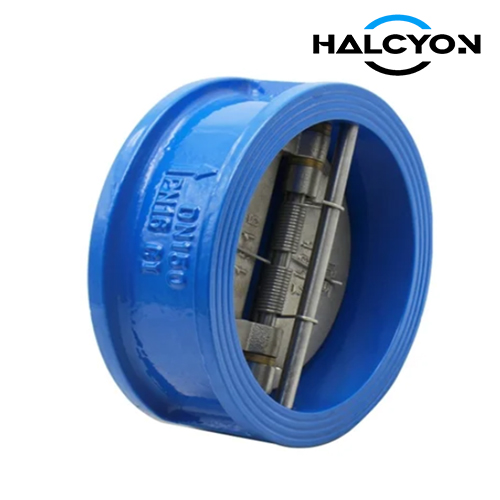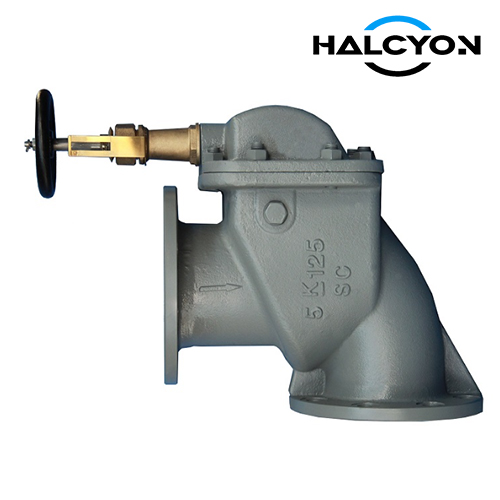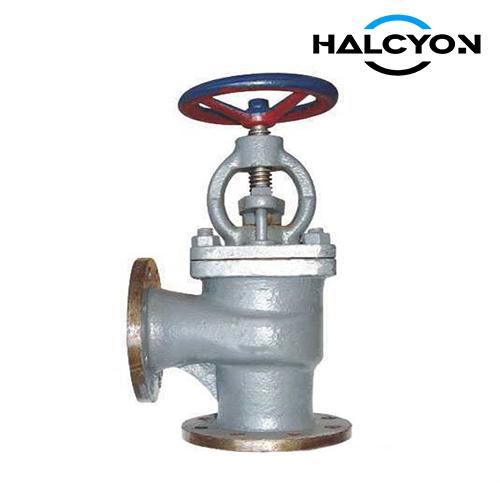
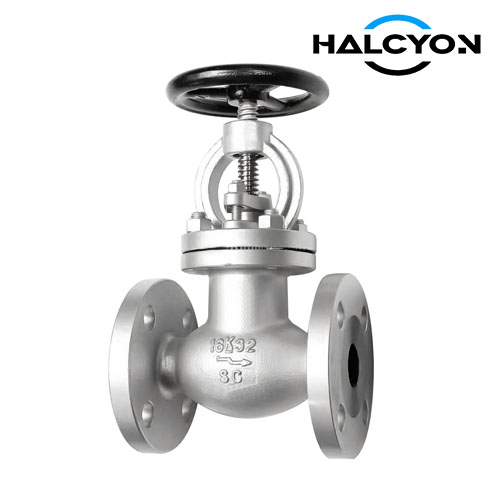
Marine Globe Valve
Typical Marine Applications
• Seawater and cooling-water systems
• Freshwater systems
• Fuel-oil systems
• Lubricating-oil systems
• Steam systems
• Bilge and ballast systems
• Fire-fighting systems
• Condensate systems
• General service piping
Overview
Main Features:
1. Excellent flow regulation:The globe-valve design allows precise control of flow rate.
2. Robust construction: Typically manufactured from materials such as cast steel, stainless steel, bronze, or marine-grade alloys.
3. Suitable for marine service: Designed to withstand vibration, humidity, saltwater exposure, and demanding operating conditions.
4. Reliable sealing: Disc-and-seat arrangement provides dependable shut-off.
5. Various connection types: Available with flanged, screwed, or welded ends depending on the piping system.
6. Manual or actuated operation: Can be supplied with handwheel, pneumatic, electric, or hydraulic actuators.
7. Different pressure and temperature ratings: Configurations are available for steam, seawater, fuel oil, freshwater, cooling water, and other shipboard services.
8. Classification compliance: Marine valves can be manufactured and tested according to applicable marine classification requirements, such as ABS, DNV, LR, BV, or CCS.
Advantages:
| Advantage | Benefit in Marine Applications |
| Precise throttling | Excellent for controlling flow and pressure |
| Good shut-off performance | Reduces leakage when the valve is closed |
| High reliability | Suitable for continuous and demanding shipboard operation |
| Strong construction | Better resistance to vibration and mechanical stress |
| Long service life | Proper material selection provides good corrosion and wear resistance |
| Easy maintenance | Internal components can generally be inspected and replaced |
| Versatile applications | Suitable for water, steam, fuel, oil, and other marine piping services |
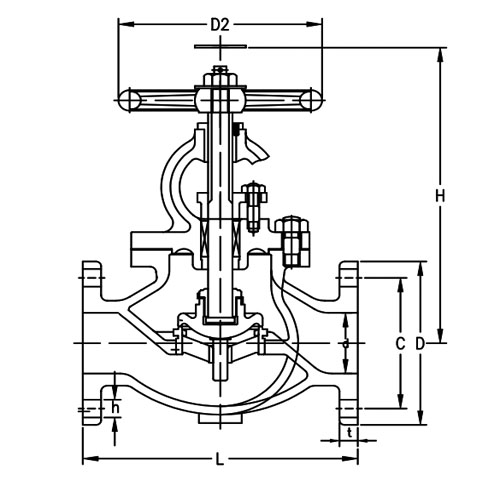
Drawing: