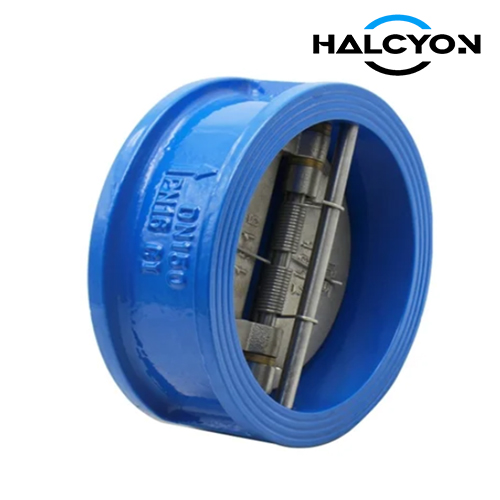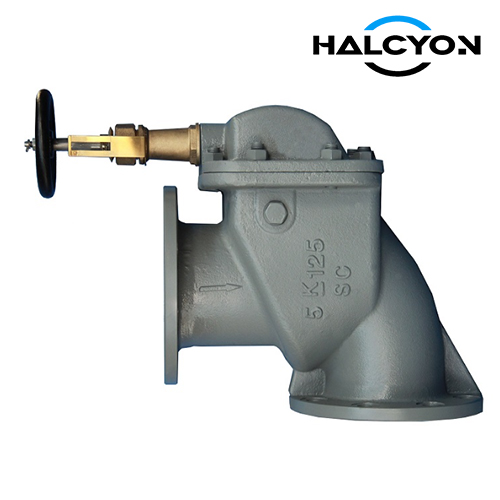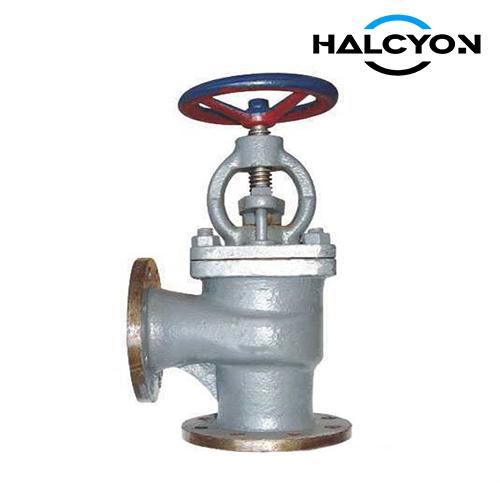
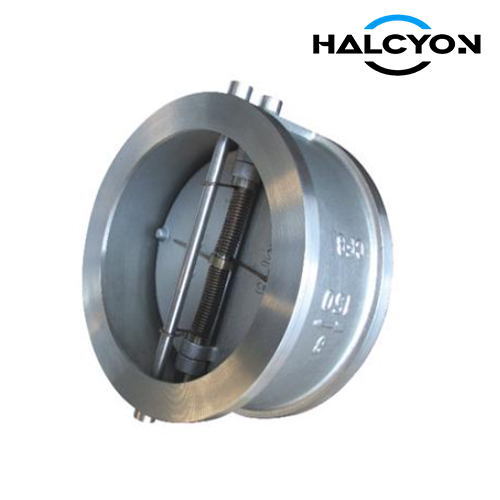
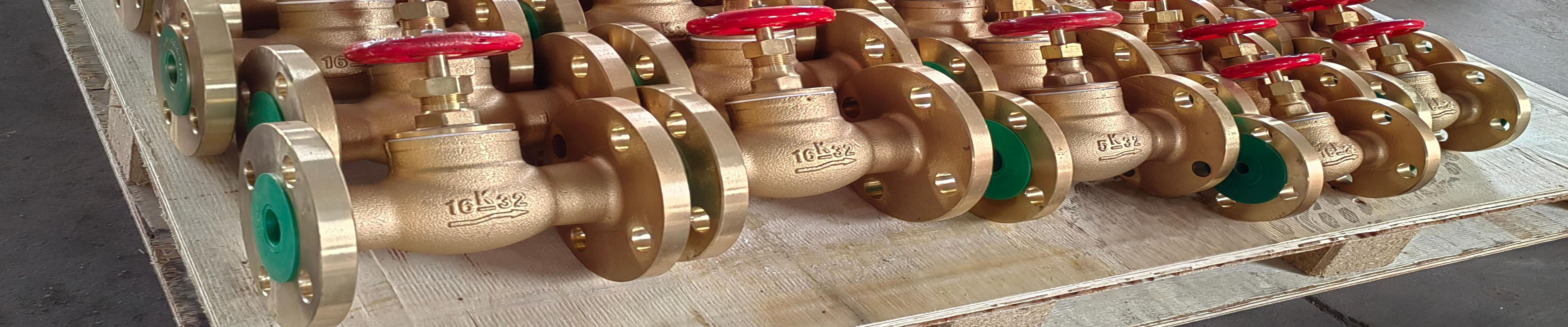
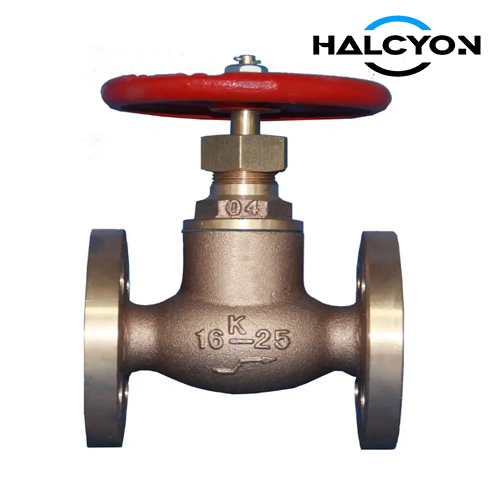
JIS Marine SDNR Valve
Marine JIS SDNR valves are commonly made of cast steel, bronze, cast iron, and other materials. These valves feature a lifting disc design, which minimizes the opening height and reduces friction at the sealing surfaces; they are typically marked with a unidirectional flow arrow (indicating the direction of medium flow).
JIS valves are renowned for their precision engineering and strict manufacturing standards; they typically offer superior sealing performance and a longer service life, and perform exceptionally well in high-pressure and corrosive environments.
Overview
Design Features:
1. Dual-function disc: The disc and stem are connected via a non-rigid joint. When the medium flows in the forward direction, the disc opens under pressure; when closing the valve, the stem presses down to force a seal; when the medium flows in the reverse direction, the disc automatically closes to provide check valve functionality.
2. Sealing Technology: The valve seat sealing surfaces are typically made of stainless steel or cemented carbide, combined with PTFE packing, to ensure excellent airtightness even in corrosive seawater environments.
3. Compact Design: Given the limited space on ships, marine valves must be designed to be compact in order to save space. JIS SDNR valves are more compact than valves conforming to other standards, making them easier to install and layout within a ship’s piping system.
4. Ease of Operation: To facilitate operation by the crew, marine valves must be designed to be simple and intuitive to operate. Marine control systems feature clear labeling and user interfaces. For example, the handwheels on marine SDNR are typically designed for easy rotation and clearly marked with open and close directions.
Installation Features:
1. Media Compatibility: For seawater piping, 316 stainless steel and bronze valve bodies are the preferred choices to prevent corrosion;
2. Fuel systems must incorporate fire-resistant design; the valve stem packing uses a graphite-wound structure.
3. Flow Direction Markings: The arrow on the valve body must align with the direction of media flow; when installed horizontally, the valve disc axis should point vertically upward.
Applicable Media and Operating Conditions:
Applicable Media: Seawater, fresh water, lubricating oil, fuel oil, non-corrosive gases, and steam within temperature limits.
Typical Standards: Complies with JIS F7351/F7352 (5K/10K/16K pressure classes); flange connection dimensions strictly conform to the Japanese Industrial Standards (JIS) system.
Material Selection: Bronze is widely used for seawater and oil circuits; stainless steel or cast steel is used for higher temperatures or special corrosive environments; use with strong oxidizing acids or superheated steam is strictly prohibited.
Installation Notes: The flow direction marking (low-in, high-out) must be strictly followed. JIS flanges (JIS B 2210) have different bolt hole patterns than Chinese or American standard flanges and must not be mixed.