JIS Marine Quick Closing Valve
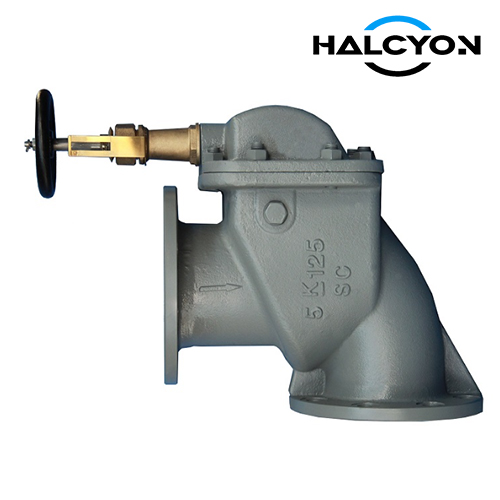
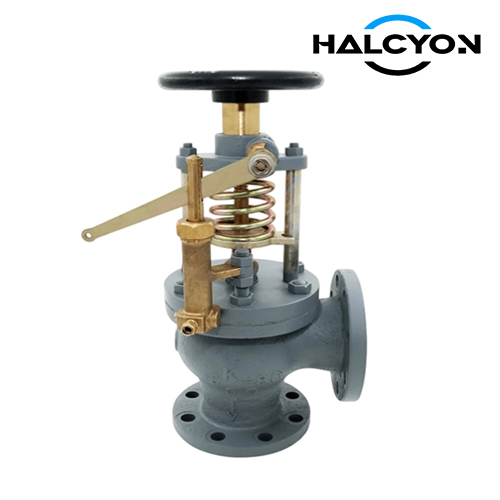
A JIS Marine Quick Closing Valve is a safety-critical emergency shutoff device designed and manufactured to Japanese Industrial Standards for shipboard flammable liquid systems. It is installed at fuel oil, lubricating oil, and thermal oil tank outlets and can be closed remotely within seconds from a safe position outside the machinery space—typically by pneumatic, hydraulic, or mechanical cable actuation. In normal operation, the valve is held open by control pressure or a latched mechanism. In an emergency, activation of the remote control instantly releases the holding force, and a powerful spring drives the valve to the fully closed position, isolating the fuel source and preventing fire escalation.
Overview
1. Applicable Standards and Regulatory Basis
Our JIS Marine Quick Closing Valves are designed, manufactured, and certified in strict conformity with:
SOLAS Chapter II-2, Regulation 4.2.2: Mandates remote-operated quick closing valves on fuel oil, lubricating oil, and other flammable oil tank outlets in machinery spaces.
JIS F7399: Shipbuilding — Quick closing valves for fuel oil tanks. This is the primary Japanese Industrial Standard covering design, construction, performance, and type testing of marine quick closing valves.
JIS B2220 / JIS B2239: Steel pipe flanges and marine pipe flanges, defining flange dimensions and pressure ratings (5K, 10K, 16K).
JIS F7400: General inspection and testing requirements for marine valves.
IACS UR (Unified Requirements): Harmonized international requirements for quick closing valve design, fire resistance, and remote control system integrity.
Classification Society Rules: Specific type approval criteria from NK, DNV, LR, BV, ABS, CCS, KR, and RINA.
2. Design Configuration and Actuation Methods
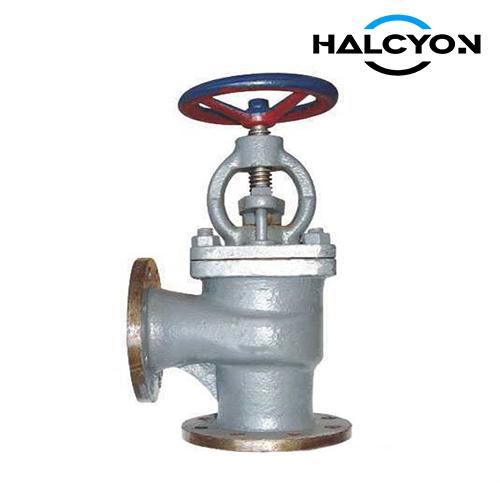
The valve assembly consists of a main valve body (globe, angle, or straight pattern), a disc and seat mechanism, and a remote actuation system. We offer the following proven actuation methods, all fully compliant with JIS F7399:
Pneumatic Actuation (Fail-Safe, Spring-to-Close): The industry standard. Compressed air is supplied to a piston actuator, compressing a powerful spring and holding the valve open. In an emergency, the air pressure is vented via a remote push-button or solenoid valve (or is lost through system failure), and the spring instantly forces the valve to the closed position. This fail-safe operation guarantees closure even on total loss of ship’s air.
Hydraulic Actuation: Uses hydraulic oil pressure to hold the valve open. Releasing the pressure causes the spring to close the valve. Suitable where a dedicated hydraulic safety circuit exists.
Mechanical Cable / Wire-Pull Actuation: A wire rope and pulley system connected to a latched, spring-loaded or deadweight lever on the valve. Pulling the handle at the remote station releases the latch, and the spring or weight slams the valve shut. This system is independent of all ship’s power and control systems.
Manual Override: Every valve is equipped with a local handwheel or lever that allows manual closure (and controlled manual reopening after an incident) for testing and maintenance.
3. Material Selection to JIS Standards
Materials are selected for maximum reliability and compatibility with JIS piping systems and the marine environment:
Body & Bonnet: Available in JIS grades including cast steel SCPH2, ductile iron FCD400/FCD450, or stainless steel SCS14 (316 equivalent). All ferrous bodies receive a high-build epoxy coating.
Trim (Disc & Seat): Stainless steel (SUS304/SUS316) or Monel seating surfaces, precision-lapped for positive shutoff. Soft-seat options (PTFE or reinforced FKM) are available for bubble-tight closure.
Stem & Spring: Stainless steel stem with a high-cycle, corrosion-protected spring (epoxy-coated or stainless spring steel).
Fire-Safe Components: Graphite stem packing and fire-safe gaskets are standard for applications requiring fire resistance per SOLAS and class rules.
4. Key Technical Features and Safety Benefits
Remote Emergency Shutoff: The valve can be closed from the engine control room, fire control station, or an escape route, eliminating any need to enter a smoke-filled or burning machinery space.
Fail-Safe Spring Closure: Spring-return actuators ensure that on loss of actuating pressure or cable tension, the valve automatically and instantly closes. This inherent safety function requires no external power to achieve the safe condition.
Rapid, Positive Closure: The powerful spring drives the disc firmly against the seat, cutting off fuel flow at full system pressure in under five seconds, even if the valve has been stationary for long periods.
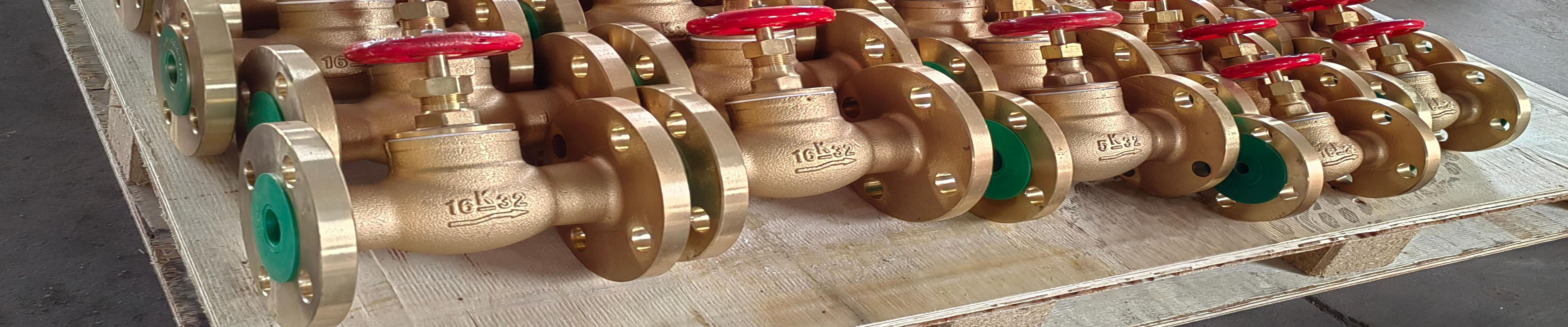
Direct JIS Flange Integration: Body flanges are drilled to JIS B2220/B2239 5K, 10K, or 16K patterns, ensuring a gasket-perfect fit with existing JIS piping without adaptor pieces.
Position Indication: A clear mechanical indicator on the actuator shows open/closed status. Limit switch boxes can be fitted to provide remote electrical position feedback to the control room.
Low Maintenance: The simple, robust spring-and-piston actuator has minimal moving parts, all designed for the high-vibration, hot, and oil-misted environment of ship machinery spaces.
5. Typical Marine Applications
Fuel Oil System: Outlets from heavy fuel oil (HFO) and marine diesel oil (MDO) storage, settling, and service tanks.
Lubricating Oil System: Main engine and auxiliary engine sump tank outlets, cylinder oil storage tanks.
Thermal Oil / Hot Oil Systems: Isolation of heater and expansion tank connections.
Hydraulic Oil Tanks: Remote shutoff for hydraulic power pack reservoirs.
Other Flammable Fluids: Any application where SOLAS and classification society rules require remote fuel isolation.