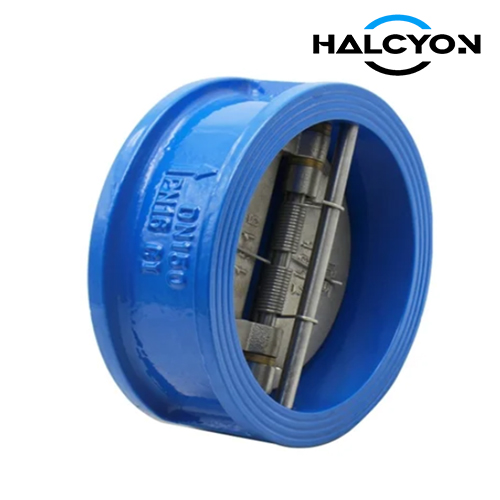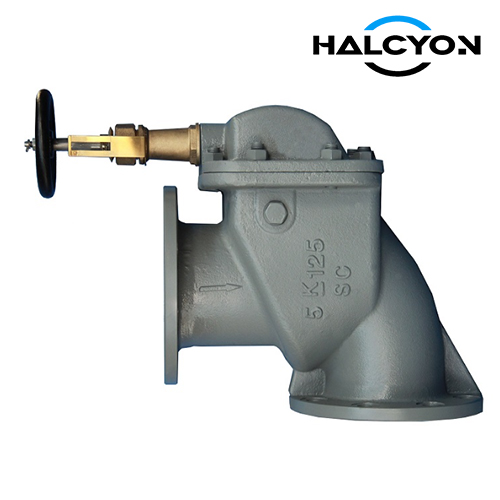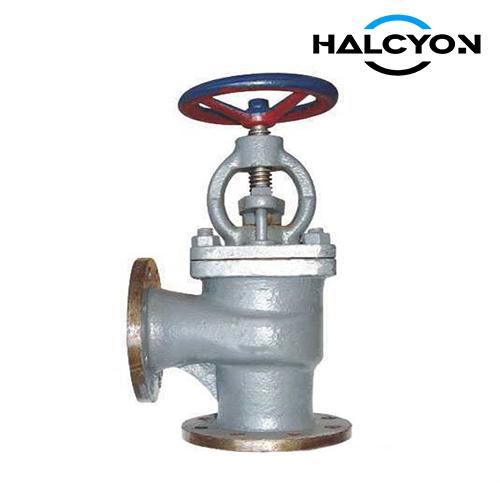
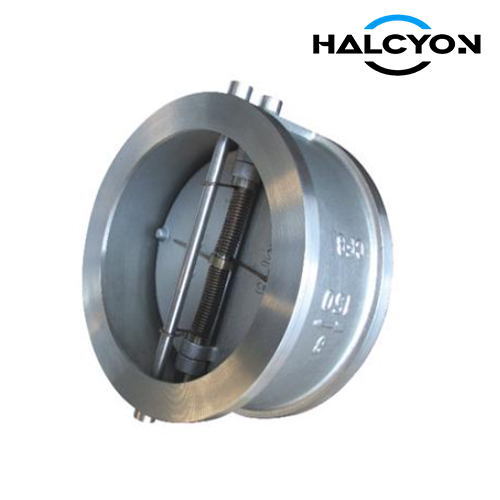
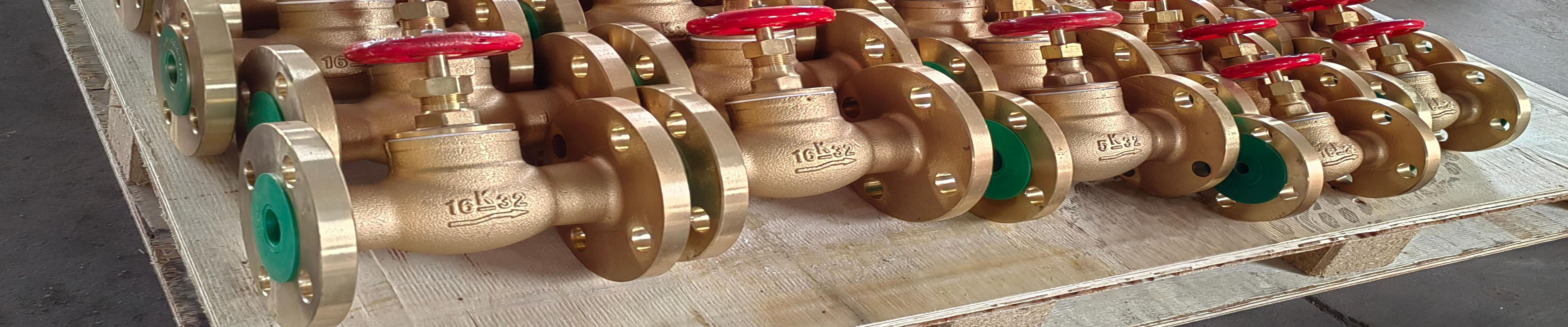
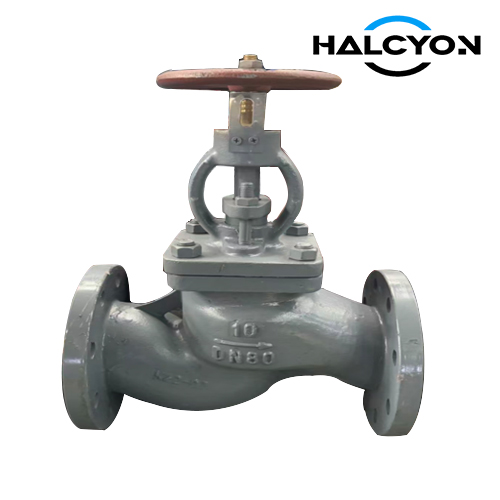
GB Marine SDNR Valve
Model: Type A, Type AS, Type B, Type BS
Size: DN15–DN500
Pressure: PN0.6–PN6.4
Material: Cast iron, cast steel, bronze, stainless steel etc.
Connection Type: Flanged, threaded
Suitable Media: Fresh water, seawater, oil, air
Standard: GB/T585, GB/T588,GB/T591,GB/T596 etc.
Overview
Marine globe check valves are widely used in piping systems, and after a period of installation and operation, some common malfunctions may occur:
1. Leakage Malfunctions
External leakage: Loose clamping nuts or damaged packing cause the medium to leak through gaps between the valve bonnet and body, or between the valve bonnet and the valve stem; in severe cases, this can lead to insufficient system pressure.
Internal leakage: Contaminants between the disc and seat, or wear and corrosion of the sealing surfaces, cause the medium to flow backward even after the valve is closed, preventing complete shutoff.
2. Sticking during opening and closing
The disc becomes jammed by contaminants in the pipeline, or rust on the spindle or guide components prevents the disc from seating or lifting properly, resulting in loss of check valve function.
Insufficient lubrication of the valve stem or packing that is too tightly compressed can make manual operation difficult or even cause the valve to seize.
3. Component Failure
Under frequent fluctuations in medium pressure, the valve disc repeatedly impacts the seat; valve discs made of brittle materials are prone to shattering.
Springs subjected to prolonged high temperatures and loads may suffer fatigue fractures, causing the valve disc to lose its clamping force and fail to seal properly.
4. Incorrect installation orientation or a skewed valve disc position can cause the valve to fail completely, rendering it unable to function as a check valve.
Excessively high medium flow velocity can trigger water hammer, causing abnormal vibration and noise in the valve; prolonged operation under these conditions accelerates component fatigue and damage.
Solution:
Promptly remove any debris between the valve disc and seat to prevent the sealing surfaces from seizing up and causing air leaks.
Avoid leaving the valve idle for extended periods; perform regular opening and closing operations to prevent the valve stem from rusting and seizing.
Implement proper freeze protection and corrosion prevention measures to avoid freeze-cracking at low temperatures or erosion of the valve body by the medium.
If irreversible damage is detected, immediately replace the affected valve components or the entire valve to ensure normal pipeline operation.