DIN Marine Quick Closing Valve
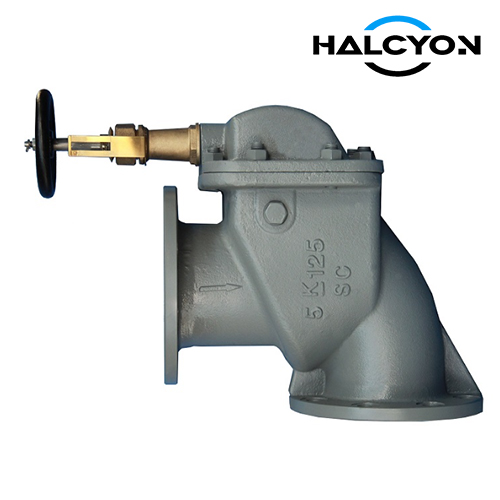
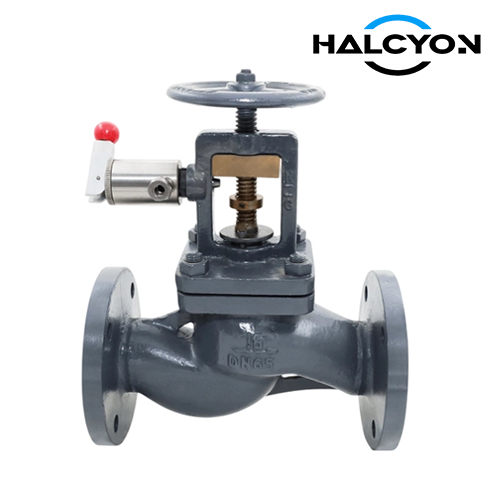
A DIN Marine Quick Closing Valve is a safety-critical emergency shutoff device designed and manufactured in full compliance with German DIN and European EN standards for shipboard flammable liquid systems. It is installed at the outlets of fuel oil, lubricating oil, and thermal oil tanks to enable rapid, remote isolation in the event of a fire. During normal operation, the valve is held open by pneumatic pressure, hydraulic pressure, or a mechanical cable latch. In an emergency, activation of a remote control instantly releases the holding force, and a powerful pre-compressed spring drives the valve to the fully closed position within seconds, stopping fuel flow and starving a potential fire. The design, dimensions, materials, and testing all conform to the dedicated DIN standard for marine quick closing valves, ensuring full compatibility with metric piping systems.
Overview
1. Applicable Standards and Regulatory Basis
Our DIN Marine Quick Closing Valves are designed, manufactured, and certified in strict conformity with:
SOLAS Chapter II-2, Regulation 4.2.2: Mandates remote-operated quick closing valves on fuel oil, lubricating oil, and other flammable oil tank outlets in machinery spaces, with fail-safe closure capability.
DIN 86251: Ships and marine technology — Quick-closing valves for nominal diameters DN 15 to DN 200 and nominal pressures PN 6 to PN 40. This is the primary standard defining design, materials, fire resistance, and type-testing procedures.
DIN EN 1092-1: Flanges and their joints — circular flanges for pipes, valves, fittings and accessories, PN designated.
DIN EN 12266-1: Industrial valves — testing of metallic valves, governing shell and seat tightness tests.
DIN EN 1563 / 10213 / 10222: Material standards for ductile iron, steel castings, and forgings used in valve bodies, bonnets, and pressure-retaining parts.
IACS UR (Unified Requirements): Harmonized international requirements for quick closing valve design, fire resistance, and remote actuation system integrity.
2. Design Configuration and Actuation Methods
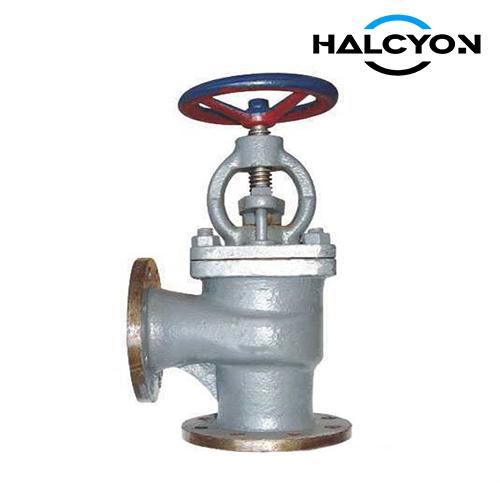
The valve assembly consists of a main body (globe, angle, or straight pattern), a disc and seat mechanism, and a remote actuation system. We offer the following actuation methods, all fully compliant with DIN 86251:
Pneumatic Actuation (Air-to-Open, Spring-to-Close, Fail-Safe): The most common arrangement. Control air pressure acts on a piston to compress a powerful spring and hold the valve open. In an emergency, the air is vented remotely via a push-button or solenoid valve, and the spring instantly forces the valve closed. Closure is guaranteed even upon total loss of ship’s air supply.
Hydraulic Actuation: Hydraulic oil pressure holds the valve open against the spring. Releasing pressure causes immediate spring-driven closure. Used where a dedicated hydraulic safety circuit is installed.
Mechanical Cable / Wire-Pull Actuation: A wire rope and pulley system connected to a latched, spring-loaded or deadweight lever. Pulling a handle at the remote station releases the latch, and the valve slams shut. Operates entirely independently of all ship power and control systems.
Manual Override: A local handwheel is always provided for manual closure and controlled reopening during testing and maintenance, with the actuator mechanism automatically disengaged.
3. Material Selection to DIN/EN Standards
Materials are selected for maximum reliability and long service life in the aggressive engine room environment:
Body & Bonnet: Ductile iron EN-GJS-400-15 (EN 1563), cast steel GP240GH (1.0619) or G20Mn5 (EN 10213), or stainless steel GX5CrNiMo19-11-2 (1.4408, CF8M equivalent). Ferrous bodies receive a heavy-duty, two-component marine epoxy coating.
Trim (Disc & Seat): Renewable and lapped stainless steel (1.4021, 1.4404) or Monel seating surfaces for positive metal-to-metal shutoff. For clean oil services, soft-seat inserts of PTFE or reinforced FKM provide bubble-tight, zero-leakage closure.
Stem & Actuator Spring: Stainless steel stem with a high-cycle, corrosion-protected actuator spring (epoxy-coated alloy steel or stainless spring steel).
Fire-Safe Packing & Gaskets: Graphite stem packing and spiral-wound stainless steel/graphite bonnet gaskets, maintaining leak-tightness even under fire exposure per DIN 86251 and SOLAS requirements.
4. Key Technical Features and Safety Benefits
Fail-Safe Spring Closure: The actuator spring constantly drives the valve towards the closed position. Any loss of actuating pressure or cable tension results in automatic, instant valve closure — no external power or operator action required.
Remote Emergency Shutoff: The valve can be triggered from multiple safe locations such as the engine control room, fire control station, or escape routes, eliminating the need to enter a burning machinery space.
Rapid, Positive Fuel Isolation: The powerful spring generates high closing force, cutting through viscous fuel and overcoming disc stiction to achieve a tight seal at full system pressure in well under five seconds.
Direct DIN Flange Integration: Body flanges are drilled precisely to EN 1092-1 PN6, PN10, PN16, PN25, or PN40 patterns, ensuring a perfect, gasket-free fit with existing metric piping without adaptor pieces.
Clear Position Indication and Feedback: A prominent mechanical indicator shows OPEN/CLOSED status on the actuator. Limit switch boxes can be factory-fitted to provide remote electrical signals to the vessel’s control and monitoring system.
Low Maintenance, Robust Design: The simple piston-and-spring actuator has minimal moving parts and is built to withstand continuous vibration, elevated ambient temperatures, and the oily, salt-laden atmosphere of ship machinery spaces.
5. Typical Marine Applications
Fuel Oil System: Outlets from heavy fuel oil (HFO) and marine diesel oil (MDO) storage tanks, settling tanks, and service tanks.
Lubricating Oil System: Main engine and auxiliary engine sump tank outlets, cylinder oil storage tanks, and LO purifier supply lines.
Thermal Oil / Hot Oil Systems: Isolation of heater and expansion tank connections.
Hydraulic Oil Tanks: Remote shutoff for hydraulic power pack reservoirs.
Other Flammable Fluids: Any application where SOLAS and classification society rules require remote, fail-safe fuel isolation.