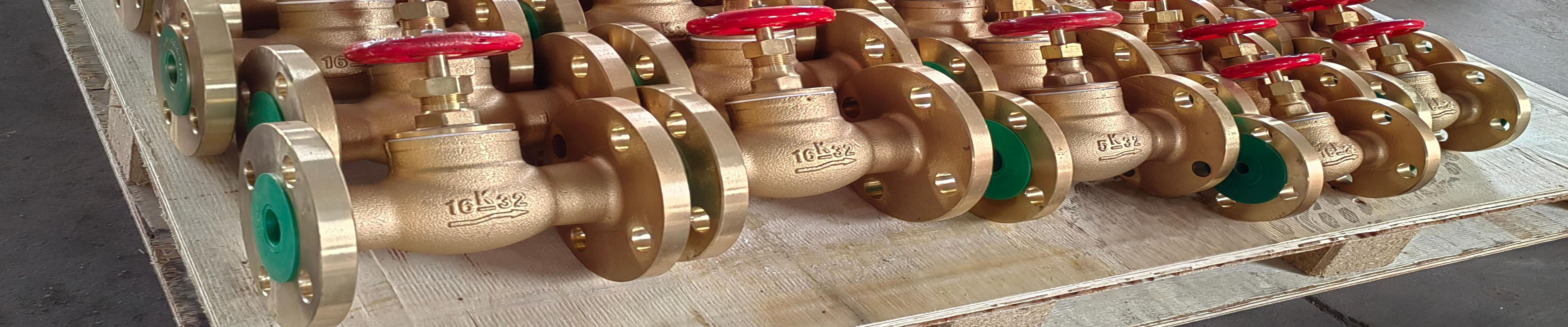
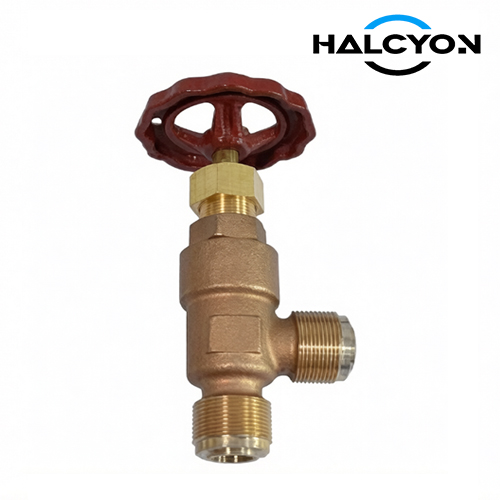
DIN Marine Angle Valve
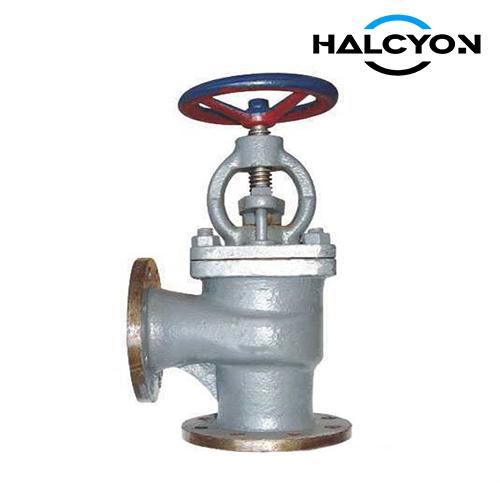
The DIN Marine Angle Valve is a globe-type shut-off valve specifically designed for shipboard piping systems where reliable flow control and space-efficient 90-degree redirection are required. Manufactured in full compliance with the applicable German industrial standards for marine service, this valve offers long-term corrosion resistance, consistent tight shut-off, and full interchangeability across international vessel fleets. It is the preferred choice for seawater cooling, ballast, fire main, bilge, and similar critical fluid circuits.
Overview
1. Governing Standards & Type Approval
Core design standard: DIN 86251 / DIN 86501 – Bronze angle valves for shipbuilding, with flanged or butt-weld ends.
Connection dimensions: Flange drilling to DIN 2501 / EN 1092-1 (PN 10, PN 16).
Testing standard: Shell and seat tightness tests conducted per DIN EN 12266-1.
Material standards: Castings conform to DIN 1705 / EN 1982; mechanical properties verified against EN 12516-1.
Classification society acceptance: Can be supplied with type approval or works certification from major societies such as DNV, BV, LR, ABS, or RINA upon request.
2. Material & Corrosion Protection
Body & Bonnet: High-strength gunmetal bronze (CuSn10Zn2 / CC491K), providing outstanding resistance to seawater, brine, and marine atmospheres.
Trim: Nickel-aluminum bronze or duplex stainless steel seats and discs; stainless steel (AISI 316) stem for enhanced durability.
Optional upgrade: CuNi10Fe1Mn body material for elevated corrosion demands or higher flow velocity.
Bonnet gasket & packing: PTFE/graphite combinations, suitable for operating temperatures from -10 °C to +180 °C.
3. Construction Features
Angle pattern body: Minimizes turbulence and erosion while reducing the number of elbows in the pipeline.
Bolted bonnet & rising stem: Clear visual open/closed indication; easy in-place maintenance.
Renewable seat ring and disc: Components can be replaced without removing the valve body from the line, drastically cutting overhaul time.
Back-seat arrangement: Protects the stem packing when the valve is fully open, extending service life.
Low-operating torque: Precision-machined stem threads and anti-friction brass nuts require less effort during operation.
4. Technical Specifications
Nominal Diameters: DN 15 – DN 200 (custom sizes available).
Nominal Pressure: PN 6 / PN 10 / PN 16 (other ratings on request).
Test Pressure:
Shell test: 1.5 × PN
Seat tightness test: 1.1 × PN
Flange Standard: DIN 2501, PN 10 or PN 16, with machined raised face.
Marking: Full traceability markings per DIN EN 19 (size, PN, material code, manufacturer’s monogram, heat number).
5. Typical Applications
Seawater cooling and main circulation loops
Ballast water and tank stripping systems
Fire main and hydrant isolation
Bilge and sewage discharge lines
Fuel oil and lubricating oil transfer (where bronze is compatible)
6. Quality Assurance & Documentation
Every valve undergoes a full hydrostatic shell test and a pneumatic or water seat test before dispatch. Standard documentation includes:
EN 10204 Type 3.1 inspection certificate (material and test results)
Certificate of conformity to DIN 86251 / DIN 86501
Optional: class society witness test reports and packing/storage declaration