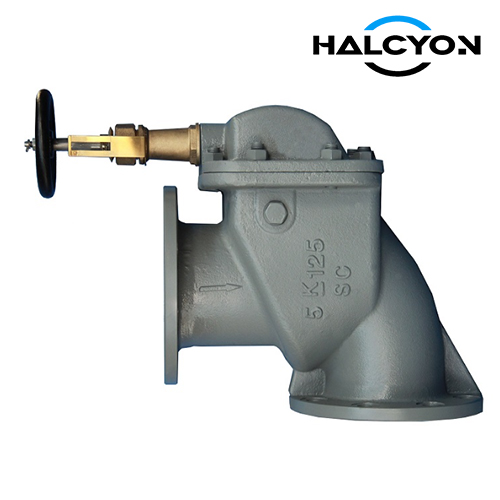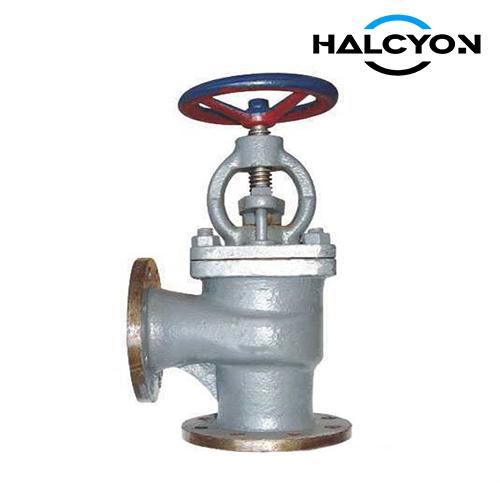
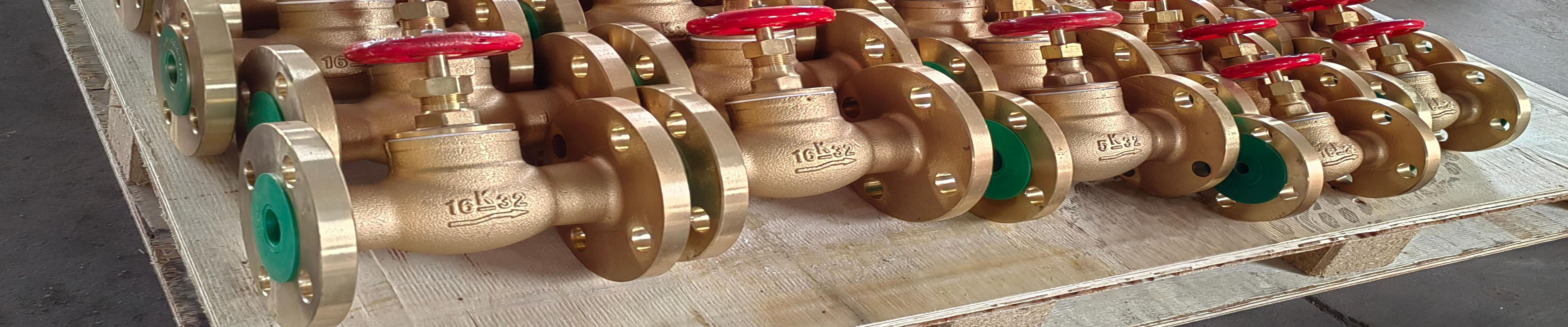
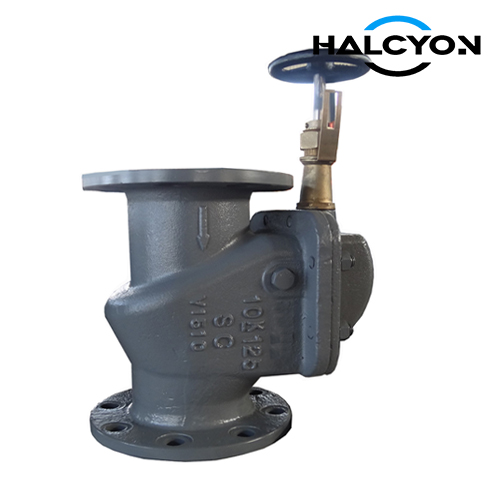
Cast Steel Marine Storm Valve
Marine storm valves are primarily designed for automatic opening and closing, but also feature a manual shut-off function. They can be forcibly closed using a handwheel to stop discharge.
Cast steel offers high tensile strength and good toughness, enabling it to withstand seawater impact pressure and mechanical vibration under harsh sea conditions, outperforming bronze.
The cast steel valve body, combined with anti-corrosion treatment or bronze internal components, is well-suited for high-salinity, high-humidity marine environments and offers a long service life.
Overview
Application Scenario:
When the vessel is underway, the storm valve remains closed, with the valve disc tightly sealed against the valve body to prevent seawater from surging into the hold.
When it is necessary to drain accumulated water from the hold or perform other operations, the drive mechanism is activated, causing the valve stem to rotate and gradually opening the valve disc.
At this point, seawater or accumulated water in the hold can flow smoothly through the valve and be discharged. Once the operation is complete, the drive mechanism is activated again to return the valve disc to the closed position, ensuring the vessel’s safety.
The storm valves can serve as a safety bypass valve in the main oil line of an electro-hydraulic steering system. When oil pressure on one side of the steering cylinder or piping becomes excessively high due to wind, waves, or other causes, the bypass valve opens to allow oil to flow to the other side or back to the reservoir, thereby preventing the steering pump from overloading and avoiding damage to the steering system.
In hydraulic steering systems with variable-displacement, variable-direction pumps, the surge valve is installed on the two main oil lines between the pump outlet shut-off valve and the steering cylinder; in hydraulic steering systems with fixed-displacement, fixed-direction pumps, it is installed on the two main oil lines between the directional control valve and the steering cylinder.
A storm valve may consist of two relief valves connected in parallel across the two main oil lines, or a single relief valve connected to the two main oil lines via a check valve.