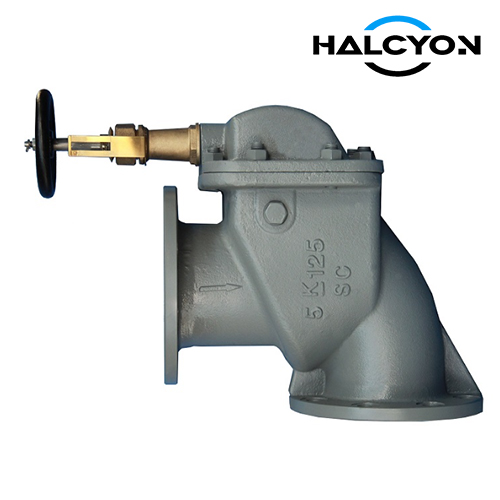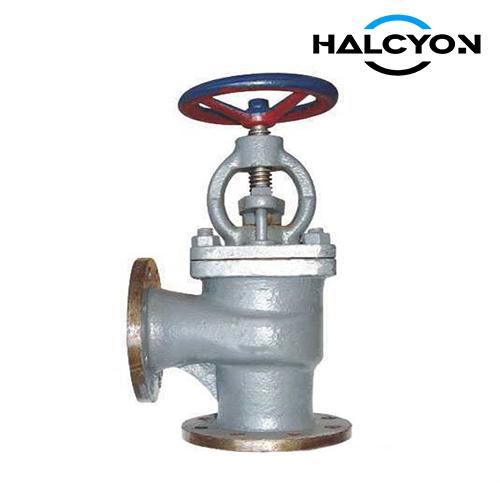
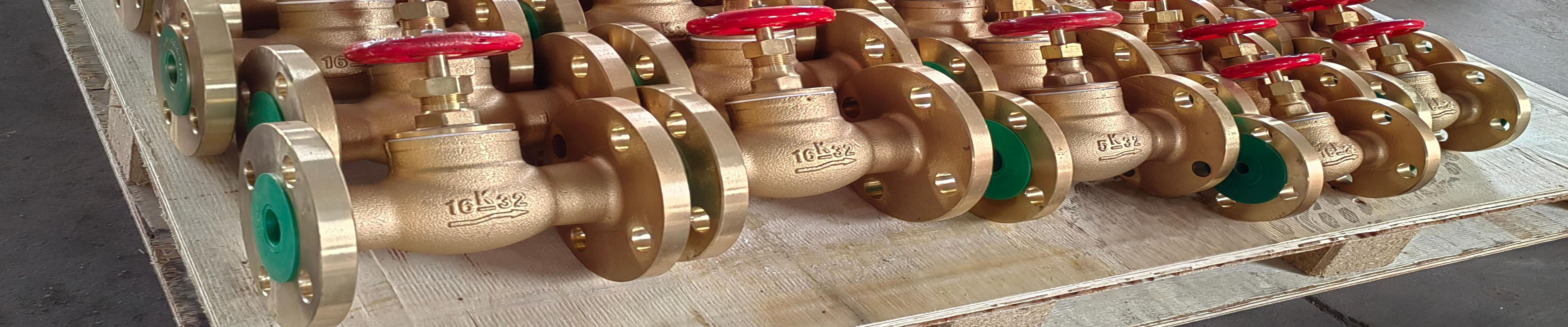
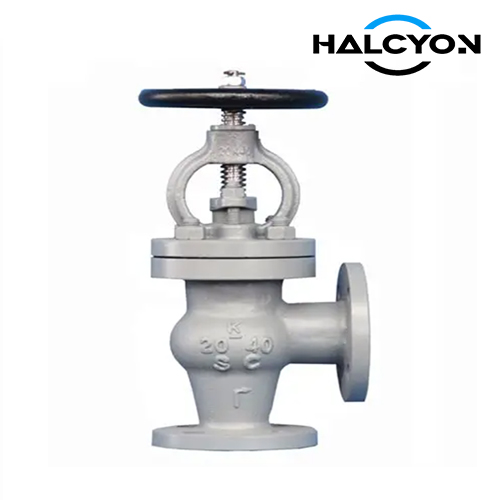
Cast Steel Marine Deck Valve
The Cast Steel Marine Deck Valve is a heavy-duty marine valve specifically designed for ship deck piping systems and marine fluid control applications where high mechanical strength, pressure resistance, and operational reliability are required. Compared with bronze marine valves, cast steel construction provides enhanced structural capability, making this valve suitable for larger pipeline systems and more demanding service conditions.
Manufactured with cast steel valve bodies and engineered sealing components, the valve is designed to withstand pressure fluctuations, mechanical stress, and long-term exposure to marine operating environments. It provides dependable shut-off performance for critical shipboard systems, ensuring safe and efficient operation of onboard fluid networks.
The Cast Steel Marine Deck Valve is widely applied in commercial vessels, offshore facilities, and marine engineering projects. Its robust design makes it an appropriate solution for applications requiring higher pressure ratings, larger sizes, and superior load-bearing performance.
Overview
1. Application
The Cast Steel Marine Deck Valve is mainly installed in marine piping systems where strong isolation capability and reliable service performance are required.
Common Applications:
Main seawater piping systems for marine cooling and circulation services
Ballast water systems used for vessel stability control
Bilge and drainage systems for shipboard water discharge
Fire protection pipelines requiring durable shut-off equipment
Cargo and auxiliary service systems on commercial ships
Offshore platform piping networks exposed to severe operating conditions
Due to its strong mechanical properties, the cast steel structure is especially suitable for vessels with large-diameter piping, high-pressure requirements, or continuous-duty operation. It is commonly selected for applications where carbon steel or bronze valves may not provide sufficient strength for the operating environment.
2. Material
The Cast Steel Marine Deck Valve is manufactured from high-strength cast steel materials selected for pressure-bearing capability and long-term marine service.
Main Material Components:
| Component | Typical Material |
|---|---|
| Body | Cast Carbon Steel / Cast Steel |
| Bonnet | Cast Steel |
| Disc | Cast Steel or Stainless Steel |
| Stem | Stainless Steel |
| Seat Ring | Stainless Steel, Bronze Alloy, or Hard-Faced Material |
| Packing | Marine-grade sealing material |
| Gasket | Graphite, PTFE, or equivalent industrial sealing material |
Material Advantages:
High tensile strength and structural rigidity
Excellent resistance to mechanical impact and vibration
Suitable for higher pressure applications
Good performance under continuous marine operation
Compatible with protective coatings for enhanced corrosion resistance
For marine applications, cast steel valves are generally treated with suitable anti-corrosion coatings or surface protection systems to improve durability against salt spray and atmospheric exposure.
3. Specifications
The Cast Steel Marine Deck Valve is available in various sizes and configurations to satisfy different vessel design requirements.
General Specifications:
Valve Type: Marine Deck Valve
Body Material: Cast Steel
Nominal Size: Available according to vessel piping requirements
Connection Type: Flanged connection or customized marine connection
Pressure Class: Designed according to applicable pressure requirements
Medium: Seawater, freshwater, ballast water, and other compatible fluids
Operation Type: Manual handwheel operation or actuator operation
Installation: Suitable for deck piping and marine system integration
Applicable Standards:
The design and manufacturing process may comply with internationally recognized standards, including:
ASTM standards for cast steel materials
ISO requirements for marine valves and piping equipment
EN/DIN standards for valve dimensions and pressure testing
Classification society specifications when required by shipbuilding projects
4. Technical Specifications
The Cast Steel Marine Deck Valve incorporates a robust design optimized for demanding marine conditions.
Structural Performance
Heavy-duty cast steel body provides excellent pressure containment capability.
Reinforced construction improves resistance to pipeline stress and vibration.
Suitable for applications requiring long-term operational stability.
Sealing Reliability
Precision-machined sealing surfaces ensure effective shut-off performance.
Replaceable sealing components facilitate maintenance and extend service life.
Designed to minimize leakage during operation.
Corrosion Protection
External coating systems provide additional protection against marine atmospheric conditions.
Internal material selection supports reliable operation with seawater and other marine fluids.
Operational Features
Smooth opening and closing operation reduces operating difficulty.
Durable stem and packing arrangement improve service reliability.
Suitable for frequent inspection and maintenance cycles required in marine environments.
Inspection and Testing:
Typical quality control procedures include:
Pressure strength testing
Seat leakage testing
Material inspection
Dimensional verification
Functional operation testing
Testing procedures are carried out according to applicable marine valve requirements and customer technical specifications.
5. Dimension Specifications
The dimensional design of the Cast Steel Marine Deck Valve is developed for integration into various shipboard piping arrangements.
Main Dimension Parameters:
Nominal Diameter Range: Available in a wide range according to project requirements
Face-to-Face Length: Manufactured according to applicable valve standards
Flange Dimensions: Designed according to recognized marine and industrial flange specifications
Installation Dimensions: Adaptable to shipyard piping layouts
Weight: Depends on valve size, pressure class, and structural configuration
Installation Characteristics:
Suitable for large marine piping systems
Provides stable connection with shipboard pipelines
Designed for convenient maintenance access
Compatible with demanding vessel installation environments
Detailed drawings, dimensional data, and technical documents can be supplied according to specific models and customer requirements.