Cast Iron Air Vent Head
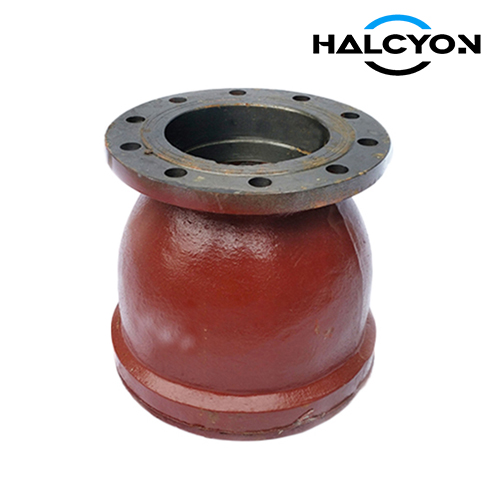
A Cast Iron Air Vent Head is a deck-mounted safety device constructed primarily from high-grade cast iron, used to vent ship tanks to the atmosphere. It allows air to flow freely in and out during tank filling, discharging, and temperature fluctuations, while reliably preventing the entry of seawater, rain, and debris. An internal float mechanism automatically seals the vent opening if the head becomes submerged, safeguarding the tank and its contents.
Overview
1. Applicable Standards and Design Basis
Our Cast Iron Air Vent Heads are designed and manufactured in compliance with:
ISO 15364: Ships and marine technology — Pressure/vacuum valves and air pipe heads, covering performance and type-testing requirements.
SOLAS Chapter II-2: Mandatory fitting of corrosion-resistant flame screens at all vent openings to prevent flame ingress.
IACS UR F1/F2: Unified requirements for air pipe head strength and automatic closing device functionality.
Classification Society Rules: ABS, DNV, LR, BV, CCS, NK, KR, and other IACS members’ specific type approval criteria.
2. Material Selection and Corrosion Protection
Body & Weatherhood: Marine-grade grey cast iron (e.g., ASTM A48 Class 30 or equivalent GG20/GG25) with excellent castability and vibration-damping properties. Exterior surfaces receive hot-dip galvanizing (preferred) or a heavy-duty two-component epoxy coating to prevent atmospheric corrosion. The weatherhood design sheds water and protects internal components.
Float & Closing Mechanism: Non-collapsible stainless steel (AISI 316L) or solid polypropylene float, ensuring buoyant force remains reliable even after prolonged immersion. The float stem and guide are stainless steel for corrosion-free, jam-free movement.
Sealing Seat & Gasket: Replaceable EPDM or NBR seat ring provides a watertight seal when the float is raised. EPDM is standard for seawater and fresh water; NBR is available for oil-contaminated bilge venting.
Flame Screen: Stainless steel woven mesh (AISI 316L) per SOLAS requirements, fitted securely at the vent outlet to prevent flame passage and block debris or insects. Removable for inspection and cleaning.
Mounting Flange: Integrally cast flanged base, usually drilled to standard marine flange tables (DIN PN10/PN16, JIS 5K/10K, ANSI B16.5 Class 150, or GB/T 2501) as requested.
3. Key Constructional Features
Robust One-Piece Body: The cast iron body offers high mechanical strength and impact resistance, ideal for exposed deck locations where green water and physical impacts are possible.
Automatic Positive Closure: The buoyancy-driven float rises instantly upon water ingress, pressing the sealing disc against the seat to prevent tank flooding. The float drops back freely when the water recedes, restoring full ventilation.
Full-Bore Air Flow: The internal passage is designed to provide the required air flow capacity per ISO 15364 and classification society rules, preventing over-pressure or vacuum damage to the tank structure during normal operation.
Anti-Clog Design: The float chamber and guide system are configured to minimize the risk of jamming from ice, silt, or viscous fluids, ensuring reliable operation in all conditions.
4. Technical Performance Characteristics
Bidirectional Ventilation: Allows free air exchange during tank level changes while maintaining automatic shut-off against external water.
Corrosion Resistance: Hot-dip galvanizing provides a sacrificial zinc coating that protects the cast iron even if scratched, while epoxy coatings offer excellent barrier protection against salt spray.
Low Maintenance: The simple float-and-seat mechanism is easy to access by removing the weatherhood. Periodic inspection and cleaning of the flame screen are the only routine requirements.
Wide Temperature Range: EPDM seats and stainless steel floats ensure reliable sealing in ambient temperatures from -20°C to +80°C, covering normal marine operating conditions.
5. Typical Marine Applications
Ballast tank air and vent pipes
Fresh water and potable water tank vents
Bilge holding tank ventilation
Void spaces and cofferdam venting
Sewage tank ventilation
(Note: For high-temperature or highly corrosive chemical cargo vents, stainless steel construction is recommended.)
6. Quality Assurance, Testing, and Certification
Type Testing: Each design is type-tested to ISO 15364 for automatic closing function, air flow capacity, and pressure drop, witnessed by classification society surveyors where required.
Production Testing: Every unit undergoes a visual and dimensional inspection, float function verification, and leak-tightness test of the closed position before delivery.
Material Traceability: Full material certificates (EN 10204 Type 3.1 or equivalent) are supplied for cast iron body, float, seal, and flame screen materials. Permanent markings include size, pressure class, material grade, and the maker’s stamp.
Class Approvals: Our Cast Iron Air Vent Heads can be supplied with type approval certificates from all major IACS classification societies, ensuring quick acceptance during newbuilding or repair surveys.