Boat Scupper Plug
A Boat Scupper Plug is a manually operated sealing device used to close cockpit drains, deck scuppers, fish boxes, bait wells, and transom drains on small craft, yachts, sailboats, and fishing vessels. Typically a threaded or tapered friction plug, it is inserted into a drain opening to create a quick watertight seal, preventing seawater, rainwater, or washdown water from entering or exiting the hull. A captive chain or lanyard secures the plug to the boat, ensuring it is always ready for use and cannot be lost overboard.
Overview
1. Material Options for the Marine Environment
Brass (Naval Brass / DZR): The classic choice for small craft. Dezincification-resistant brass plugs offer excellent seawater corrosion resistance, a traditional appearance, and non-sparking safety. Ideal for cockpit drains, transom plugs, and general small boat use.
Stainless Steel (AISI 316L): Premium corrosion resistance, high strength, and a bright polished finish. Perfect for yachts, sailboats, and high-end fishing boats where appearance and lifelong durability are paramount. Excellent for potable water systems and washdown drains.
Marine-Grade Plastic / Composite (Nylon, Acetal, Polypropylene): Lightweight, affordable, and completely immune to corrosion. Often used on kayaks, dinghies, and small fishing boats. Glass-reinforced grades provide good strength and UV stability. Ideal for baitwell and fish box drains where metal could react with fish slime or bait.
Rubber with Metal Hardware: Expansion-type plugs with EPDM or NBR bodies and stainless steel or brass plates/bolts provide a conforming seal in irregular openings. Used in emergency repair kits and for temporary sealing.
2. Design Types and How They Operate
Threaded Plug with O-Ring or Washer: The most common type. A male-threaded plug with a square, hex, or T-handle engages a female thread in the scupper or transom fitting. A captive rubber O-ring or flat washer under the head ensures a drip-free seal when hand-tightened. Threads are typically NPT (tapered), BSP, or metric to match the boat’s plumbing.
Tapered Friction Plug (Push-In): A simple, smooth tapered plug driven into a plain-bore drain sleeve. Held in place by friction, it provides instant, tool-free sealing and is common for transom drains and small cockpit scuppers on outboard boats. Often has a ring or eye for attaching a chain.
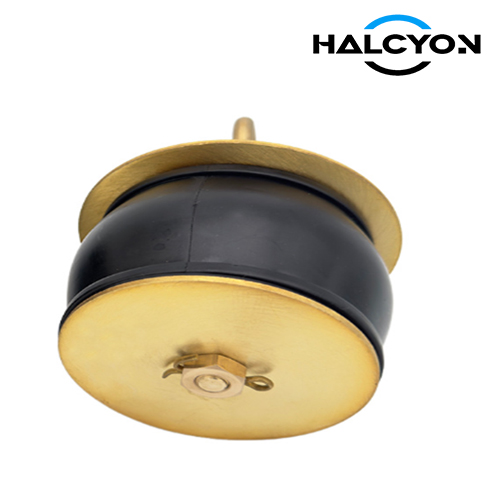
Expansion Plug (Bolt-Type): A rubber cylinder sandwiched between metal plates; tightening the central bolt compresses the rubber axially, expanding it radially to seal inside a pipe or drain. Ideal for emergency use and for drains where the internal surface is rough or corroded.
Flip-Tight or Lever Plug: A quick-action design where a cam lever compresses a rubber seal, enabling one-handed insertion and removal. Excellent for livewells and bait tanks where frequent draining is needed.
3. Key Features and Benefits
Instant, Tool-Free Operation: Most boat scupper plugs can be sealed by hand, allowing the operator to respond immediately to changing conditions.
Captive Chain / Lanyard: A stainless steel bead chain or marine-grade nylon lanyard attaches the plug permanently to the drain fitting or a nearby padeye, eliminating the risk of dropping it overboard.
Corrosion-Free Function: All wetted components are made from marine-grade materials to prevent galvanic corrosion, thread seizing, and rust staining on gelcoat or paint.
O-Ring / Washer Seal: Replaceable soft seals guarantee a leak-proof closure without over-tightening, protecting the threads and the deck fitting.
Compact and Lightweight: Designed to fit unobtrusively in cockpit and deck spaces without creating a trip hazard.
4. Typical Small Craft Applications
Transom Drain Plugs: Installed in the lower transom to drain the bilge or cockpit when the boat is on a trailer or lift. Sealed before launching.
Cockpit Scuppers: Sealing cockpit drains while underway in rough seas to keep water out.
Fish Box and Baitwell Drains: Plugs with T-handles allow quick draining and cleaning of storage compartments and live bait tanks.
Anchor Locker and Chain Locker Drains: Keeping the locker dry and free of standing water.
Deck and Deck Hatch Drains: Sealing washdown drains during periods of non-use.
Emergency Leak Stoppers: Tapered wood or rubber plugs are standard in small boat damage control kits.