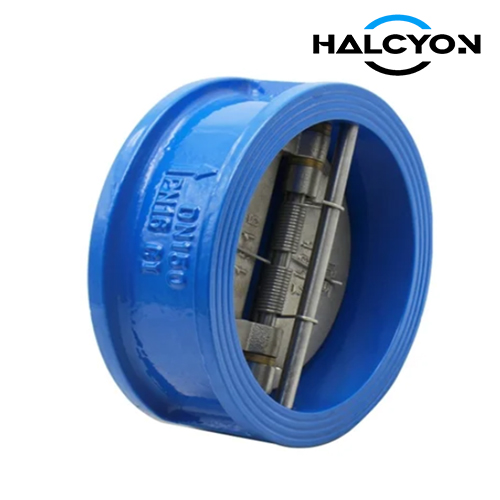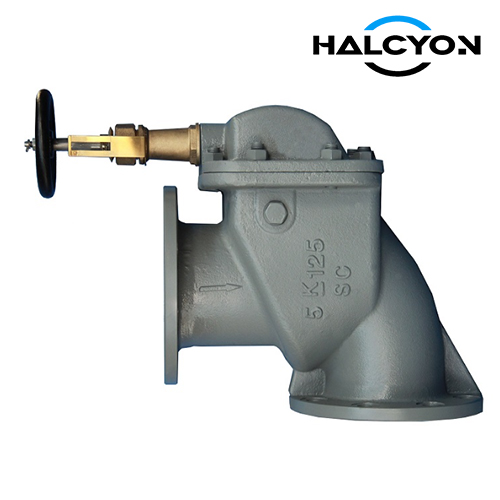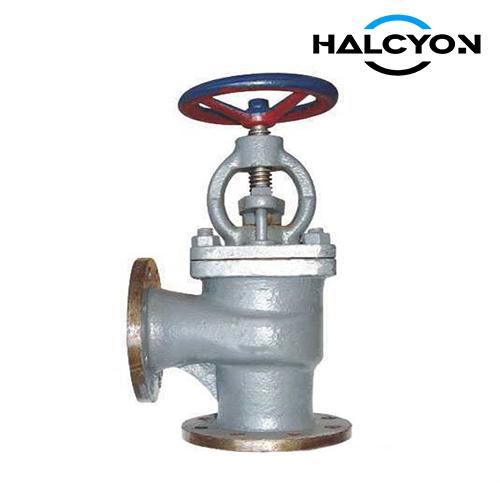
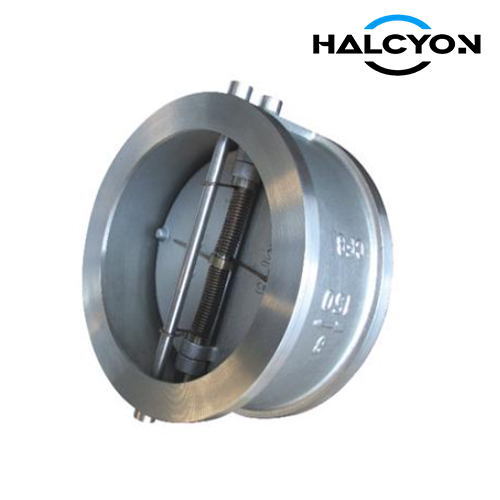
ANSI Marine SDNR Valve
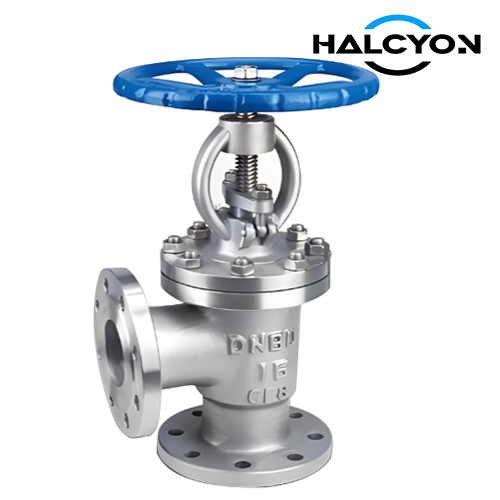
Marine ANSI SDNR Valves are designed and manufactured in accordance with the high standards of API/ASME and undergo rigorous testing to ensure high reliability, excellent resistance to high pressure and high temperatures, and superior corrosion resistance; they significantly reduce the risk of leakage and failure.
Marine ANSI Globe Check Valves are eligible for ABS classification and are recognized by classification societies.
Overview
ANSI WCB SDNR Valves:
They have a wide operating temperature range, covering most standard applications such as ambient-temperature water supply, medium-temperature steam, and oil transportation.
They are more cost-effective than other materials, such as stainless steel and bronze, and are suitable for general-purpose applications at medium and low pressures.
ANSI SS316 SDNR Valves:
They offer strong corrosion resistance and maintain good strength and corrosion resistance even in high-temperature environments;
They feature a more aesthetically pleasing surface and meet sanitary-grade requirements.
Resistant to brittle fracture in cryogenic environments, making them suitable for low-temperature piping systems such as those carrying liquid oxygen and liquid nitrogen.
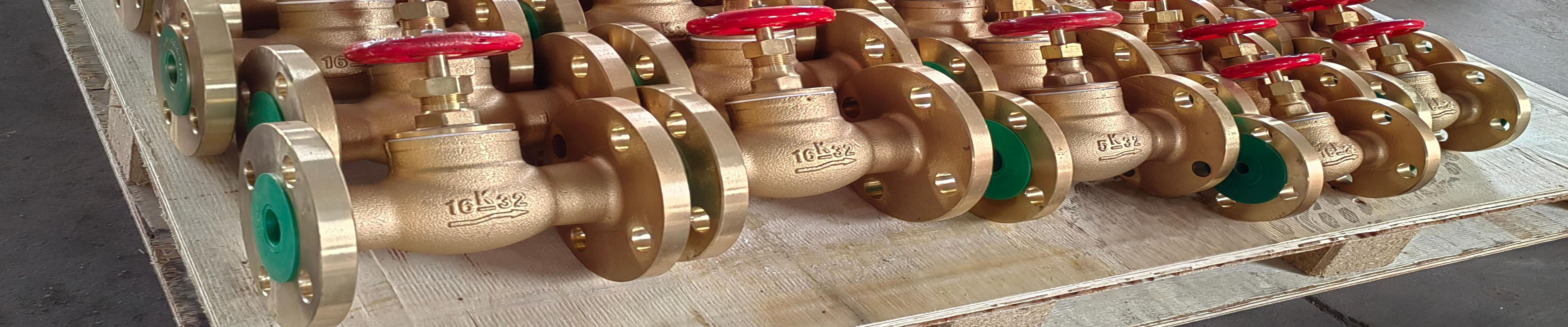
ANSI Tin Bronze SDNR Valves:
Bronze offers greater stability and resistance to corrosion in seawater applications;
With a low coefficient of friction, the sealing surfaces are less prone to scratching during opening and closing, ensuring a long service life.
Routine Maintenance:
Cleaning and Rust Prevention: Wipe oil residue from the valve body; for minor rust, sand it down and apply approved anti-rust paint. Do not use highly corrosive cleaning agents.
Tightening Components: Tighten the flange bolts in a diagonal pattern, ensuring the torque does not exceed the limits specified in the manual to avoid damaging the gasket.
Functional Testing: Manually move the valve disc 3–5 times to ensure there is no sticking, and apply silicone-based grease to moving parts.
Internal Disassembly and Inspection: Remove the valve disc and spring to inspect for wear on the sealing surfaces and loss of spring tension, and clean out any internal debris.
Replacement and Pressure Testing: Replace aged seals, and after reassembly, perform a pressure retention test to confirm there are no leaks.