Angle Marine Storm Valve
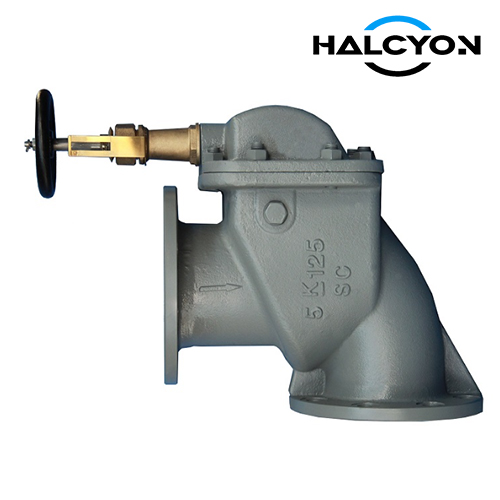
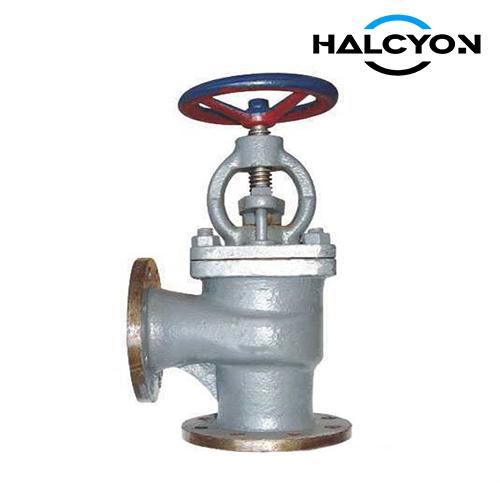
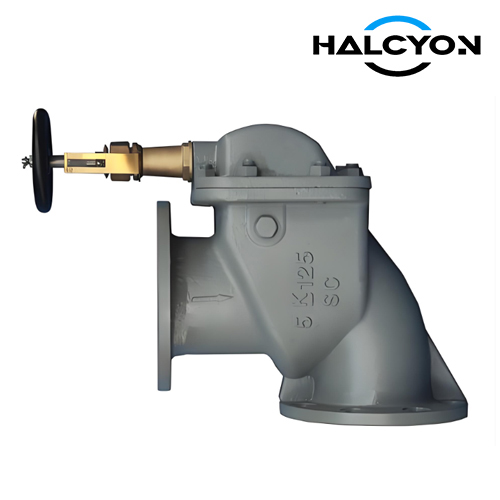
Angle marine storm valves feature an inlet and outlet at a 90° angle and are specifically designed for discharging sewage and wastewater while preventing seawater from flowing back into the vessel; some models are equipped with a handwheel for manual forced closure.
Connection size standards are classified as Type B and Type BS; based on the drive mechanism, they are classified as automatic check valves and closable valves with handwheels.
Overview
Product Structure and Operating Principle
The core design of the vertical storm valve is based on the one-way check valve principle and consists primarily of a valve body, valve cover, valve disc, spring, and sealing assembly.
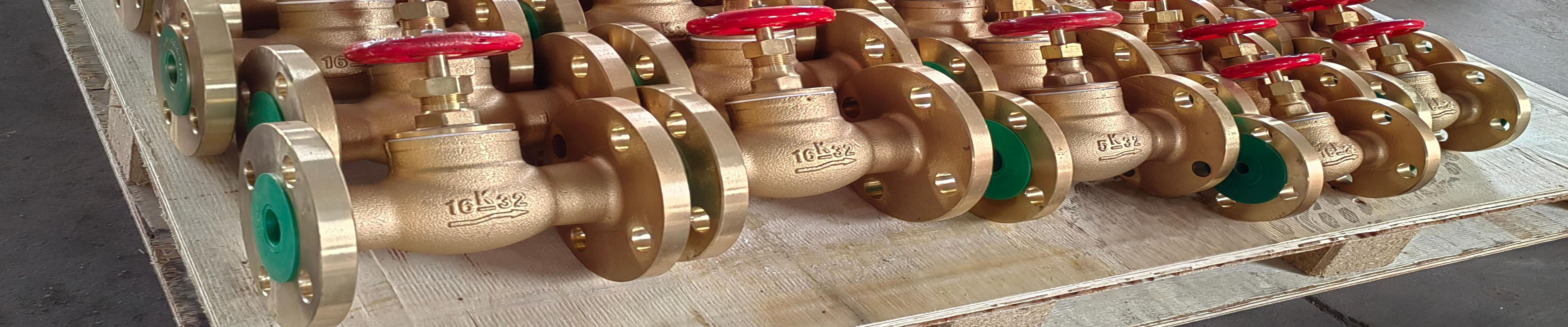
The valve body is made of cast steel or bronze, and its internal flow path has been hydraulically optimized to ensure low flow resistance while achieving a rapid closing response.
The valve disc is typically made of stainless steel and is held in a normally closed position by the spring’s preload. When the pressure of the medium within the system exceeds the set value, the valve disc automatically opens; when external water pressure rises abnormally (such as from wave impact), the valve disc rapidly closes under the combined action of the reverse pressure and the spring, forming a mechanical seal.
Standards specify that the valve closing time must not exceed 0.5 seconds, and the sealing performance must ensure no visible leakage at 1.1 times the design pressure.
Use Cases
1. Shipside Drainage/Waste Discharge Piping: Installed on the side of the hull, this system is used to automatically discharge bilge water, domestic sewage, or wastewater; when the ship encounters wind and waves causing the water level outside the hull to rise above the pipe opening, the valve automatically closes to prevent seawater from flowing back into the hold.
2. Ship Rudder Hydraulic System: Installed in series within the main oil line of the rudder cylinder, it functions as a safety relief valve; when wind and waves cause a sudden increase in rudder blade resistance and the oil pressure exceeds the set value (typically >160 kg/cm²), it automatically opens the bypass to protect the oil pump and rudder mechanism from damage.
3. Specific Installation Orientation Requirements: A strict distinction must be made between “vertical” and “angular (right-angle)” installation orientations; they are not interchangeable. The angular configuration is commonly used for side outlets where space is limited or where flow direction needs to be altered, utilizing the combined force of gravity and a spring to ensure the check seal.