Aluminum Air Vent Head
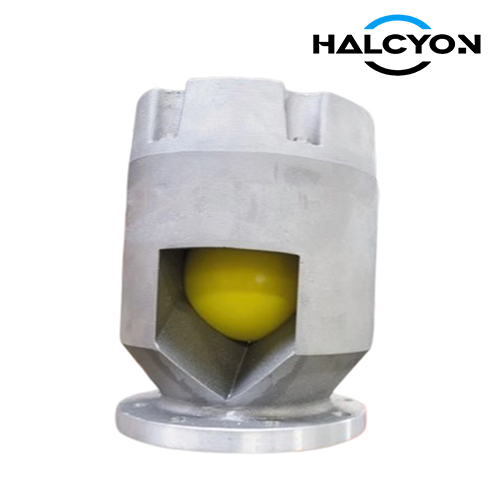
An Aluminum Air Vent Head is a lightweight, corrosion-resistant safety device installed at the outlet of a ship’s tank vent pipe. Its function is to permit the free flow of air into and out of the tank during filling, discharging, and temperature changes, while automatically preventing the ingress of seawater, spray, rain, and debris. An internal float-operated mechanism seals the vent opening if the head becomes submerged, protecting the tank contents and maintaining the vessel’s watertight integrity.
Overview
1. Applicable Standards and Design Basis
Our Aluminum Air Vent Heads are designed, manufactured, and tested in compliance with:
ISO 15364: Ships and marine technology — Pressure/vacuum valves and air pipe heads, defining performance and type-testing requirements.
SOLAS Chapter II-2: Requirement for corrosion-resistant flame screens at vent openings to prevent flame passage.
IACS UR F1/F2: Unified requirements concerning the strength and automatic closing function of air pipe heads.
Classification Society Rules: Type approval criteria from ABS, DNV, LR, BV, CCS, NK, KR, RINA, and other IACS members.
2. Material Selection — The Aluminum Advantage
Body & Weatherhood: Cast in seawater-resistant aluminum alloy, typically AlMg3 (EN AC-51300) or AlSi7Mg (EN AC-42100), selected for their high strength-to-weight ratio and outstanding resistance to atmospheric and seawater corrosion. The natural formation of a protective oxide layer eliminates the need for painting or galvanizing. The weatherhood is designed to deflect spray and allow free drainage.
Float & Closing Mechanism: Non-collapsible stainless steel (AISI 316L) or high-density polypropylene float, ensuring reliable buoyancy and corrosion-free operation. The float stem and guide are stainless steel for smooth, jam-free movement.
Sealing Seat: Replaceable EPDM (standard for seawater, freshwater, and ballast), NBR (for oil-contaminated vents), or FKM (for chemical and high-temperature service) seat ring, providing a watertight closure when the float is activated.
Flame Screen: Stainless steel (AISI 316L) woven mesh per SOLAS requirements, securely fitted and easily removable for inspection and cleaning. The non-sparking aluminum body combined with a stainless steel screen provides an inherently safe assembly.
Mounting Flange: Integrally cast aluminum flange, drilled to standard marine bolt patterns (DIN PN10/PN16, JIS 5K/10K, ANSI B16.5 Class 150, or GB/T 2501) as required by the vessel’s piping specification.
3. Key Technical Features and Benefits
Lightweight Construction: Aluminum is approximately one-third the weight of cast iron or steel, reducing the load on deck penetrations and elevated vent risers, and allowing easy one-person handling during installation and maintenance.
Inherent Corrosion Resistance: The self-passivating aluminum surface withstands decades of salt-spray exposure without the need for coatings that can chip or degrade. This reduces lifecycle maintenance and ensures reliable, unattended operation.
Spark-Proof Safety: Aluminum alloys are non-sparking upon impact, providing an added measure of safety when installed on tanks carrying flammable liquids or in hazardous areas.
Automatic Positive Closure: The buoyancy-driven float rises instantly if water enters the head, pressing the sealing disc against the seat to prevent tank flooding. The float drops back freely when water recedes, immediately restoring full ventilation.
Full-Bore Air Flow: The internal flow path is sized to provide the required air flow capacity per ISO 15364, preventing over-pressure or vacuum conditions during cargo or ballast operations.
Low Maintenance Design: The simple float-and-seat mechanism, combined with the non-corroding aluminum body, minimizes onboard maintenance. The removable weatherhood allows quick access for visual inspection of the float assembly and flame screen.
4. Typical Marine Applications
Ballast tank air and vent pipes (weight-critical on high risers)
Cargo tank vents on tankers and chemical carriers
Fuel oil and diesel oil storage tank vents
Fresh water and potable water tank vents
Void spaces and cofferdam ventilation
Sewage and bilge holding tank ventilation
5. Quality Assurance, Testing, and Certification
Type Testing: Each design is type-tested to ISO 15364 to verify the automatic closing function under simulated flooding, air flow performance, and pressure drop. Tests are witnessed by classification society surveyors as required.
Production Testing: Every unit undergoes a thorough dimensional check, float function test, and leak-tightness verification of the automatic closing device before shipment.
Material Traceability: Full EN 10204 Type 3.1 material certificates are provided for the aluminum body, float, sealing seat, and flame screen. Each head is permanently marked with size, pressure class, material grade, and the manufacturer’s identification mark.
Class Approvals: Our Aluminum Air Vent Heads can be supplied with type approval certificates from all major IACS classification societies, ensuring immediate acceptance during newbuilding and repair surveys.