Air Vent Head
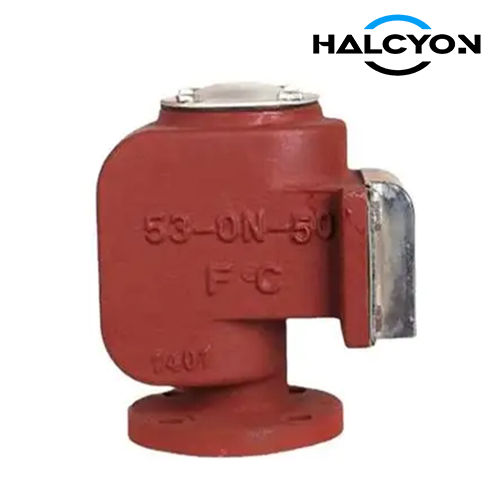
A Marine Air Vent Head is a critical safety device installed at the open end of a ship’s air, sounding, or vent pipe. Its primary function is to permit the free, unobstructed flow of air or gas into and out of tanks—such as ballast, fuel, fresh water, cargo, or bilge tanks—during filling, discharging, and temperature-related thermal breathing. Simultaneously, it reliably prevents the ingress of seawater, spray, rain, and solid debris under all normal and heavy weather conditions. An internal, buoyancy-driven float or ball mechanism automatically seals the vent opening if the head becomes submerged, protecting the tank contents from water contamination and ensuring the vessel’s watertight integrity and stability.
Overview
1. Function and Operating Principle
Normal Ventilation: During tank filling, air escapes freely through the vent head; during discharging or cooling, air is drawn in. This maintains atmospheric pressure inside the tank, preventing excessive stress on the tank structure.
Automatic Water Shut-Off: If the vent head is temporarily submerged by green water, wave action, or flooding, the internal float immediately rises. This presses a sealing disc or ball firmly against a precision-machined seat, creating a watertight, bubble-tight closure. When the water recedes, the float drops back by gravity, instantly restoring full-bore ventilation.
Flame and Debris Protection: An integral, corrosion-resistant wire mesh flame screen, mandated by SOLAS Chapter II-2, is fitted at the vent outlet to prevent the passage of flame (flashback protection) and to block insects, debris, or foreign objects from entering the tank.
2. Applicable Standards and Design Basis
Our Marine Air Vent Heads are designed, manufactured, and type-approved to meet the most rigorous international rules:
ISO 15364: Ships and marine technology — Pressure/vacuum valves and air pipe heads. This is the primary international standard governing performance, flow capacity, pressure drop, and type-testing procedures for automatic closing devices.
SOLAS (Safety of Life at Sea) Chapter II-2: Fire safety requirements demanding the fitting of corrosion-resistant flame screens at all tank vent openings to prevent the inward propagation of flame.
IACS UR F1/F2: Unified Requirements issued by the International Association of Classification Societies, defining structural strength, fire resistance, and the functional reliability of air pipe heads and their automatic closing mechanisms.
Classification Society Rules: Specific type approval and survey requirements from ABS, DNV, LR, BV, CCS, NK, KR, RINA, and other IACS members, which our products fully satisfy.
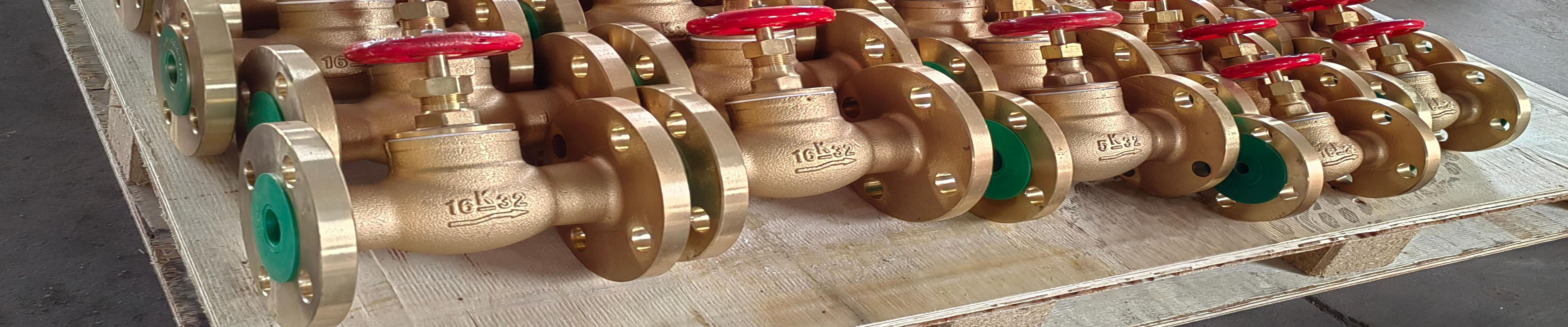
Flange Compatibility: Flange drilling and facings are available to match your vessel’s exact piping specification—whether DIN/EN 1092-1 (PN10/16), JIS B2220 (5K/10K/16K), ASME B16.5 (Class 150/300), or GB/T 2501.
3. Material Options and Corrosion Protection
We offer a complete range of material constructions to suit every vessel type, budget, and operating environment. The internal float, stem, guide, seal, and flame screen are always made from highly corrosion-resistant materials (typically AISI 316L stainless steel, with EPDM/NBR/FKM seals) to ensure fail-safe operation. The external body and weatherhood can be selected based on your requirements:
Cast Iron: An economical and robust option for ballast, bilge, and freshwater tanks on general cargo vessels. Protected by hot-dip galvanizing or high-build epoxy coating for long service life. Provides excellent vibration damping and impact resistance.
Carbon Steel: Chosen for maximum structural strength and fire resistance in demanding applications such as cargo tanks on tankers, offshore platforms, and ice-class vessels. Hot-dip galvanized to ISO 1461 or coated with advanced marine epoxy systems, it withstands green water impact and heavy deck loads.
Aluminum: A lightweight, inherently corrosion-resistant, and non-sparking solution ideal for weight-sensitive installations such as high vent risers, tankers, gas carriers, and offshore vessels. The natural oxide layer eliminates the need for any external coatings, reducing lifecycle maintenance.
Stainless Steel (316L and Duplex): The premium, maintenance-free option for aggressive environments. Offers total immunity to pitting and crevice corrosion in warm seawater, chemical cargo vapors, and hygienic applications (potable water, pharmaceutical). Duplex stainless steel provides additional strength and guarantees decades of unattended service on chemical tankers, LNG/LPG carriers, and naval vessels.
4. Key Technical Features and Benefits
Automatic Positive Shut-Off: The buoyancy-operated mechanism requires no external power or human intervention. It reacts instantly to water ingress and resets automatically, providing inherent fail-safe protection against tank flooding.
Full-Bore Air Flow Capacity: The vent cross-sectional area and streamlined internal passages are sized to meet the required air flow rates per ISO 15364, preventing over-pressurization or vacuum during maximum cargo or ballast pumping rates.
Bidirectional Ventilation and Sealing: Allows free air exchange in both directions during normal operation, while providing a bubble-tight water seal against external water in both directions when the float is activated.
Integrated Flame Screen: A permanently fitted, easily removable stainless steel mesh flame screen (per SOLAS) adds essential fire safety and keeps the vent clear of insects and debris.
Compact, Robust Deck-Mount Design: The flanged or threaded base is designed for secure bolting to the vent pipe. The weatherhood or cover deflects spray and rain, and is typically removable for quick internal inspection and cleaning without disconnecting the pipe.
Low Maintenance Operation: The simple float-and-seat mechanism, combined with corrosion-free internal parts (stainless steel float and guides, rubber seat), ensures reliable, jam-free operation with minimal onboard maintenance—typically limited to periodic visual inspection and flame screen cleaning.
5. Typical Marine Applications
Ballast water tank air and vent pipes
Cargo oil, chemical, and product tank vents (with material selection to suit the cargo)
Fuel oil and diesel oil storage tank vents
Fresh water and potable water tank vents
Bilge holding tank and sludge tank ventilation
Void spaces, cofferdams, and pipe tunnel vents
Sewage and gray water tank vents
Deepwell pump caisson and vent riser termination
6. Quality Assurance, Testing, and Certification
Type Testing: Each vent head design is type-tested in accordance with ISO 15364 (or classification society equivalent) to verify the automatic closing function under simulated submergence, air flow performance, and pressure drop characteristics. Tests are witnessed by surveyors where required.
Production Testing: Every individual unit undergoes a thorough dimensional check, float function test, and a seat leakage test (typically at 1.1 times the rated working pressure) before shipment. Test certificates and reports are provided with each order.
Material Traceability: Full EN 10204 Type 3.1 (or equivalent) material certificates are supplied for all critical and pressure-retaining components—including the body, float, flame screen, and sealing elements. Each vent head is permanently marked with the manufacturer’s stamp, size (DN/NPS), pressure rating (PN/Class), material grade, heat number, and the applicable standard.
Class Approvals: Our Marine Air Vent Heads can be supplied with type approval certificates from all major IACS classification societies, ensuring immediate acceptance during newbuilding, dry-docking, and port state control inspections worldwide.