
Marine Valves by Function
In marine engineering, valves are also systematically grouped according to the specific task they perform within a piping system. This function‑based classification is fundamental to system design, directly reflected in P&IDs (Piping and Instrumentation Diagrams), and drives the selection of valve type, body configuration and actuation method.
Overview
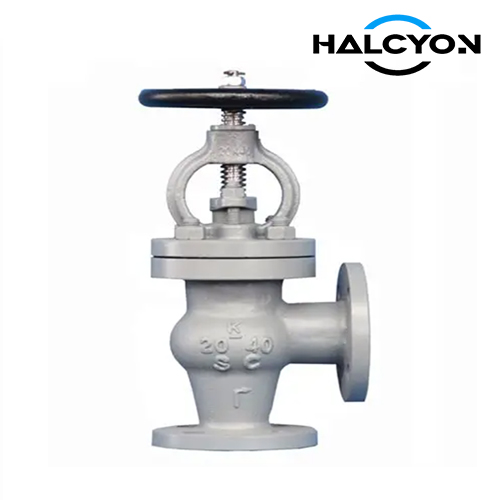
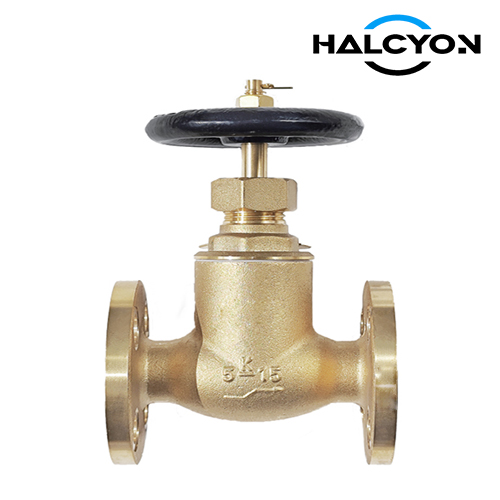
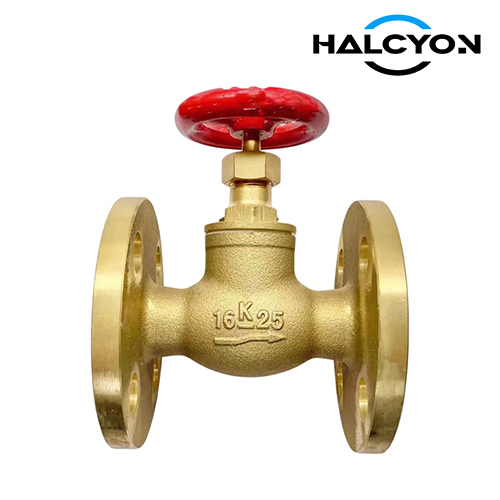
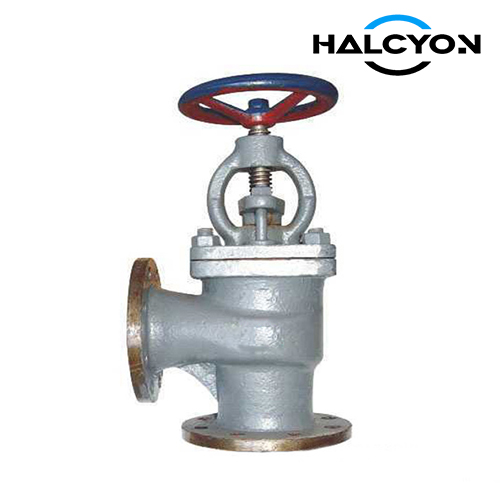
Shut‑off (isolating) valves – intended to fully open or close the flow passage, thereby connecting or isolating sections of pipework. Examples include gate valves, globe valves, ball valves, butterfly valves, diaphragm valves and plug valves. In shipboard practice, gate valves are preferred for main seawater lines requiring an unobstructed full bore, while butterfly valves are extensively used in ballast, bilge and cooling water systems for their compactness and rapid quarter‑turn operation.
Non‑return (check) valves – installed to prevent reverse flow that could damage rotating machinery, contaminate clean supplies or cause flooding. Common designs are swing check valves, lift check valves and foot valves (the latter fitted at pump suctions). On tankers, check valves are essential on cargo and ballast discharge lines to avoid backflow into the pump and to maintain segregation between different cargo grades.
Distribution valves – employed to divert, split or mix fluid streams. Representative types are three‑way ball valves, three‑way plug valves, distribution manifolds and steam traps. Steam traps, while primarily removing condensate, also fulfil a distribution role by separating steam and water. On board, three‑way valves are frequently found on fuel‑oil purifier inlets, cross‑connections between tanks, and filling‑transfer lines, allowing a single valve to direct flow to two or more destinations.
Regulating (control) valves – used to modulate pressure, flow rate or both, rather than merely permitting or blocking flow. Examples include pressure‑reducing valves, control valves, throttle valves and balancing valves. Precise regulation is critical for domestic fresh water supply, fuel‑oil temperature control, and steam pressure management on turbine‑driven ships. Modern vessels increasingly rely on actuated control valves integrated with the automation system to achieve energy‑efficient operation.
Safety (relief) valves – automatic devices that protect pressurised systems from overpressure by discharging surplus medium. Once pressure returns to a safe level, the valve recloses to stop further release. This category covers all types of safety valves and overflow relief valves. Shipboard applications include boiler safety valves, thermal relief valves on cargo oil lines, and pressure‑relief devices on air receivers and hydraulic systems, all mandated by classification society rules.
Special‑purpose valves – a diverse group covering valves dedicated to a single, often non‑standard, function. Examples are vent valves, sludge blow‑down valves, drain valves and pig‑launcher/receiver valves. Vent valves on tanks prevent vacuum or overpressure during loading and discharging; sludge valves handle abrasive engine‑room wastes; pig valves allow in‑line cleaning of pipelines without disassembly.
Multi‑function (combined) valves – valves that integrate two or more functions in one body, saving space, weight and potential leak points. Typical combined functions are stop‑check valves (a globe valve with an integral non‑return mechanism), ball check valves, and ball valves with built‑in strainers. A stop‑check valve is commonly fitted on the discharge side of pumps or on boiler feed lines, acting simultaneously as an isolating valve and a non‑return valve to prevent backspin and water hammer.