
Marine Valve Actuation Types
Based on their mode of actuation, valves are broadly categorised into actuated (or power-driven) valves and automatic (or self-acting) valves. Actuated valves are further subdivided into manually operated and power-operated types.
Overview
(1) Actuated Valves
① Manual Valves
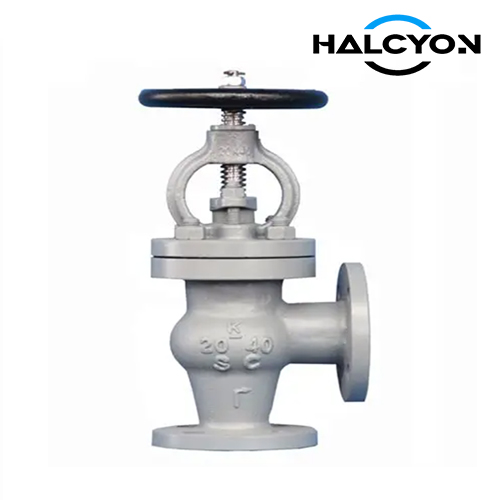
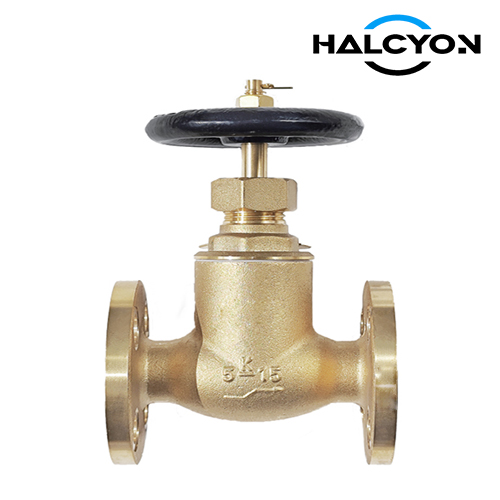
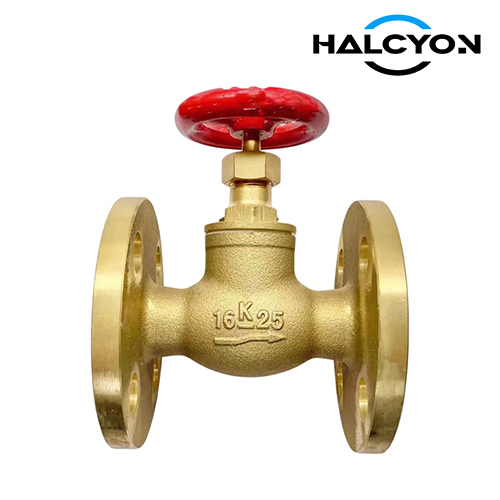
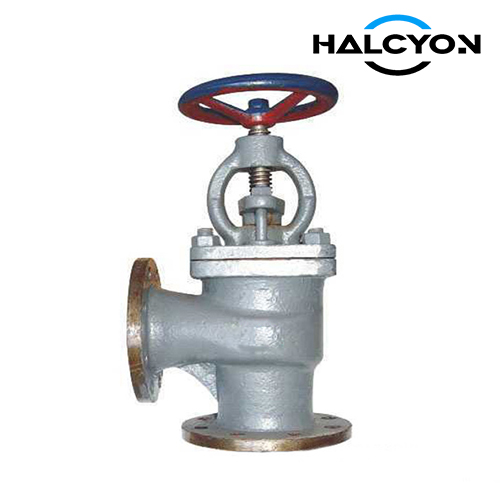
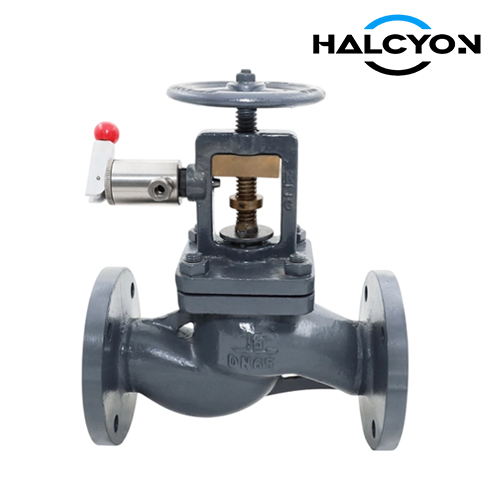
These are valves operated by human effort via handwheels, handles, levers, or chain wheels. In instances where the torque required for opening and closing is considerable, gearboxes or worm-gear reducers are typically incorporated between the handwheel and the valve stem to facilitate operation. As the most ubiquitous form of valve actuation, manual valves are subject to a design constraint stipulating that the manual force applied to the handwheel shall not exceed 360 N.
② Power-Operated Valves
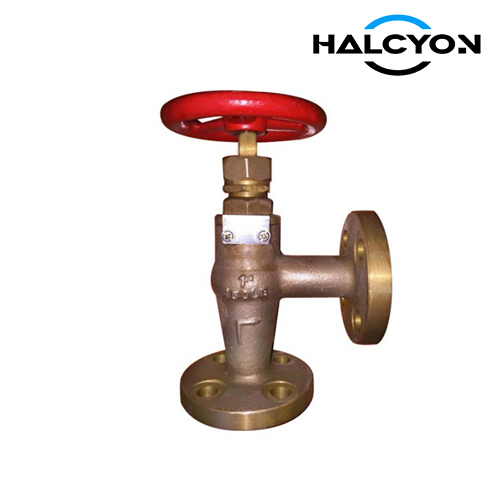
These are valves actuated by various external power sources. In common industrial practice, the principal categories encompass electric, pneumatic, hydraulic, pneumo-hydraulic, and electro-hydraulic valves.
Electric valves: Operated by electric actuators, solenoids, or other electrical devices.
Pneumatic valves: Actuated by means of compressed air pressure.
Hydraulic valves: Actuated by means of liquid pressure, utilising media such as water, oil, or other fluids.
Pneumo-hydraulic valves: Actuated through the combined pressure of gas and liquid.
Electro-hydraulic valves: Actuated through the combined action of an electric actuator and hydraulic pressure.
(2) Automatic Valves
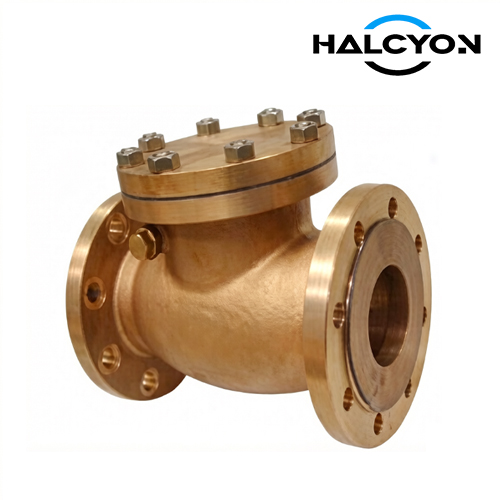
These are valves that function autonomously, relying exclusively on the inherent energy of the process medium itself—whether liquid, air, or steam—for their operation. Notable examples include safety valves, pressure-reducing valves, check (non-return) valves, steam traps, and the emergency shut-off valves installed on LPG tankers.